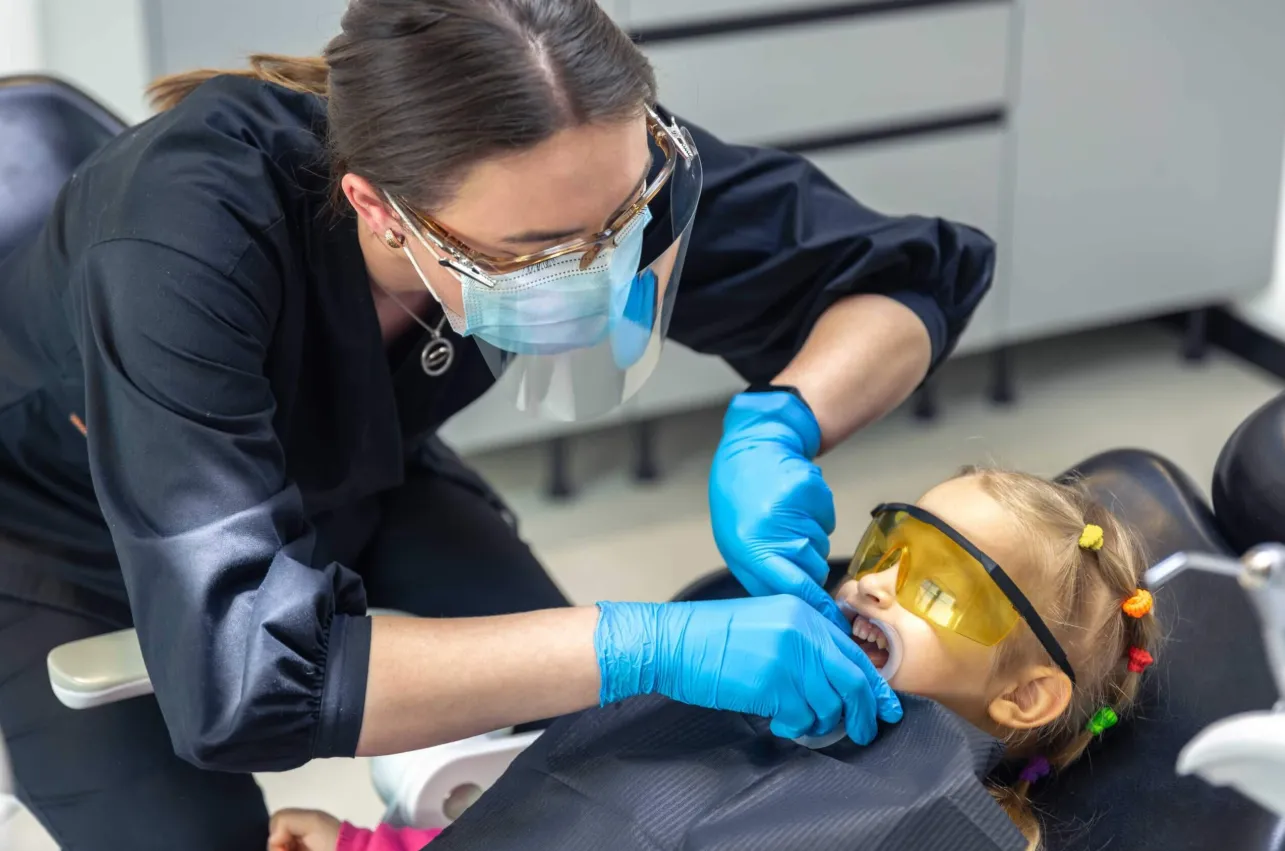
Dental emergencies hit fast and rattle your whole home. A cracked tooth, a child’s mouth injury, or sudden pain in the night can leave you scared and unsure. You do not have time to search for answers. You need a clear plan that your family can follow. This blog shares 3 family based approaches to manage dental crises before you reach a dentist in Surprise, AZ. You will learn how to act in the first minutes, how to protect a damaged tooth, and how to calm a child or adult in pain. You will also see what supplies to keep at home so you are never caught off guard. With simple steps and shared roles, your family can face oral emergencies with less panic and more control.
1. Build a Simple Dental Emergency Plan for Your Home
You prepare for fire and storms. You can also prepare for a knocked out tooth or deep mouth cut. A written plan keeps you focused when stress rises.
Start with three steps.
- Who calls 911 or urgent care
- Who gathers supplies
- Who stays with the injured person
First, write a short list of emergency numbers and keep it on the fridge.
- Local emergency number
- Your dentist and backup dentist
- Nearest emergency room
- Poison control center
You can use guidance from the Centers for Disease Control and Prevention on oral health emergencies when you build this list.
Second, decide roles. Give each adult and older child a clear job. During an emergency, no one wastes time asking what to do. You already agreed.
Third, practice once or twice a year. You do not need a long drill. You can walk through a short “what if” at the dinner table. You might say, “If a tooth gets knocked out at soccer, who calls the dentist and who finds the tooth.” This short talk cuts fear and builds calm habits.
2. Create and Use a Home Dental Emergency Kit
A small box in one cabinet can change how you handle the first ten minutes of a crisis. You do not need special gear. You only need a few low cost items that you replace when they expire.
Pack these supplies.
- Clean gauze pads
- Small clean container with lid
- Saline solution or clean water
- Non aspirin pain reliever for adults and for children
- Disposable gloves
- Cold pack
- Small flashlight
- List of emergency numbers and allergies
Then label the box clearly. Tell every family member where it sits. You can store it near your first aid kit.
The table below shows common dental emergencies and how items in your kit help during the first minutes. This does not replace care from a dentist or doctor. It helps you bridge the gap.
| Emergency Type | First Steps at Home | Kit Items You Use | When to Seek Urgent Care |
|---|---|---|---|
| Knocked out permanent tooth | Pick up tooth by the crown. Rinse gently. Place back in socket if possible. If not, place in milk or saline. | Gloves, saline, small container | Right away. Call dentist. If you cannot reach one, go to an emergency room. |
| Cracked or broken tooth | Rinse mouth with clean water. Use cold pack on cheek to limit swelling. | Cold pack, gauze if bleeding | Same day. Call dentist for urgent visit. |
| Soft tissue cut to lip, cheek, or tongue | Apply gentle pressure with gauze. Rinse with water when bleeding slows. | Gauze, gloves, flashlight | Right away if bleeding does not slow after 10 minutes or if cut is deep. |
| Sudden toothache | Rinse with warm water. Use floss gently to remove trapped food. | Flashlight, floss from home | Same day or next day if pain is strong or keeps waking you. |
| Swelling in jaw or face | Check breathing. Use cold pack on the swollen side. | Cold pack, emergency numbers | Right away if there is fever, trouble swallowing, or trouble breathing. |
You can also review first aid advice from the American Dental Association on dental emergencies and keep a short printout inside your kit.
3. Use Clear Family Rules for Common Oral Emergencies
During a crisis, you need simple rules. These rules help you act fast, protect teeth, and lower harm while you wait for care.
Knocked Out Permanent Tooth
Use this rule of three.
- Find it
- Hold it right
- Keep it moist
First, find the tooth and pick it up by the white top. Do not touch the root. Second, rinse it gently with clean water if it has dirt on it. Do not scrub. Third, if the person is awake and calm, try to place the tooth back into the socket and ask the person to bite down on gauze. If you cannot do that, place the tooth in milk or saline in your container. Then seek urgent dental care. Time matters for saving the tooth.
Broken Tooth, Chipped Tooth, or Lost Filling
Rinse the mouth with water. Use a cold pack on the cheek on the hurt side. This lowers swelling. Then call your dentist. Try to go in the same day for strong pain or sharp edges. If a sharp edge cuts the tongue or cheek, place gauze between the tooth and soft tissue.
Toothache or Swollen Gum
Rinse with warm water. Use floss to clear food stuck between teeth. Do not place aspirin on the gum. That can burn the tissue. You can use a cold pack on the cheek and an over the counter pain reliever as directed on the label. If pain lasts more than one day, or you see swelling, call your dentist. If swelling spreads to the face or neck, seek urgent care.
When to Go Straight to Emergency Care
Do not wait for a regular visit when you see these signs.
- Trouble breathing
- Trouble swallowing
- Fever with face swelling
- Bleeding that does not slow after 10 minutes of steady pressure
- Knocked out permanent tooth
For these signs, call 911 or go to the nearest emergency room. Tell them about mouth or tooth injuries when you arrive.
Help Your Family Stay Ready and Steady
You cannot stop every accident. You can still shape how your family responds. A short written plan, a small emergency kit, and clear rules for common mouth injuries give you control during hard moments. You protect teeth. You protect health. You also show your children how to face fear with action. Then when the crisis eases, you can follow up with your regular dentist and ask what to change at home so the next emergency feels less heavy.
