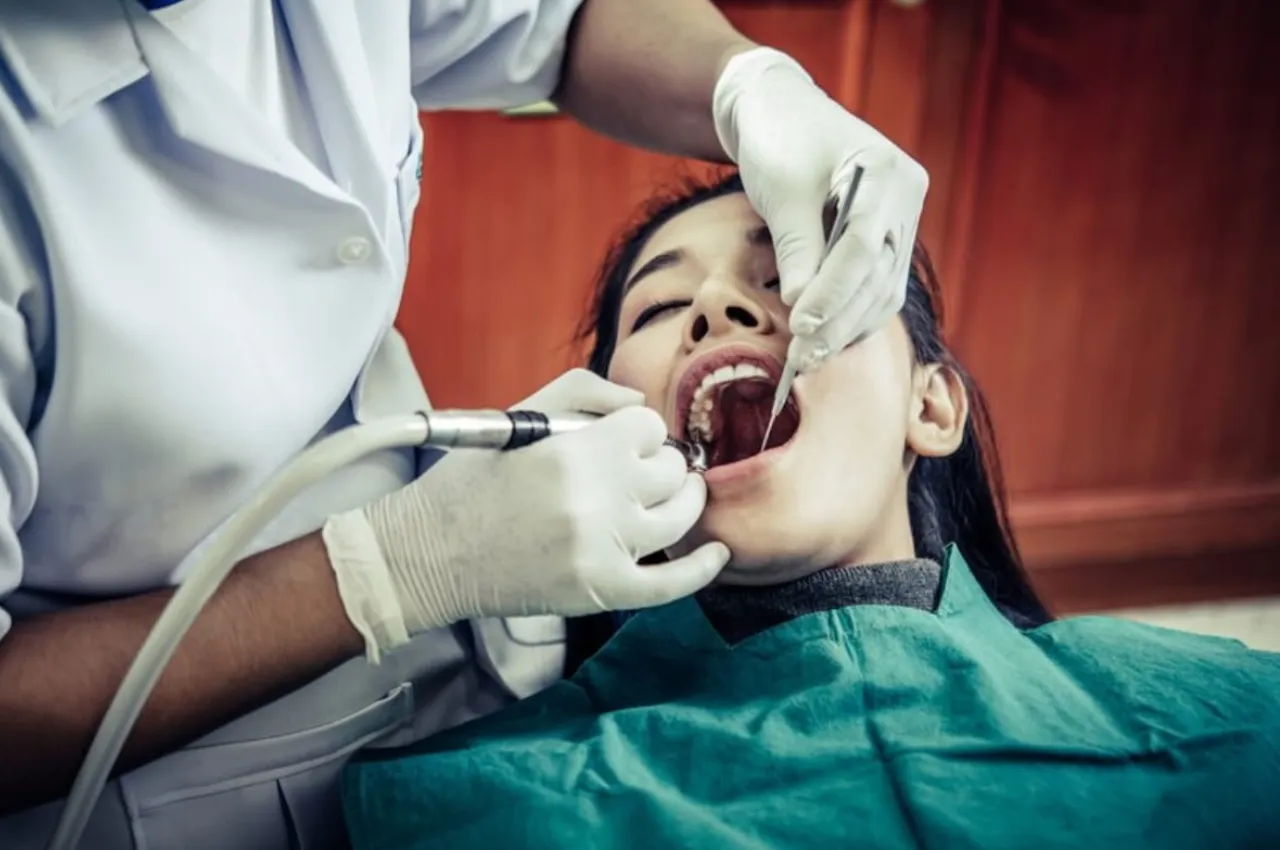
A dental emergency hits fast. A broken tooth. A cut lip. A child in pain at 2 a.m. You feel fear. You feel pressure to act. You can prepare your home before that moment. You do not need medical training. You only need a clear plan, a few simple supplies, and a trusted dental team. This guide shows you three steps to protect your household. First, you will build a basic home kit for dental injuries. Next, you will create a clear action plan that every adult in your home understands. Finally, you will choose and save contact details for a trusted provider, such as a dental implants dentist in Crest Hill, IL. Each step reduces panic and saves time when seconds feel heavy. You cannot control when an emergency comes. You can control how ready you are when it does.
Step 1: Build a simple home dental emergency kit
You already keep bandages and pain medicine at home. You can add a few items that focus on teeth, gums, and lips. Store these supplies in a clear box. Place it near your main first aid kit.
Use this list as a guide:
- Clean non latex gloves
- Small flashlight
- Gauze pads
- Cotton swabs
- Cold packs
- Clean container with lid for a lost tooth
- Saline solution or clean water
- Dental wax for sharp edges on braces or broken teeth
- Over the counter pain reliever that your doctor says is safe
- Printed list of your dentist and emergency numbers
First, check expiration dates twice each year. You can link this with time changes for smoke alarms. Next, teach older children where the kit is and when to bring it to you. Finally, label the box so guests and babysitters can find it without help.
The Centers for Disease Control and Prevention oral health page shows how common tooth injuries and tooth decay are. You reduce the impact when you keep basic supplies within reach.
Step 2: Create a clear action plan for common dental emergencies
You think faster when you already know what to do. Write a one page action plan. Keep it with your kit and on your fridge. Use simple steps for the most common dental emergencies.
Use this quick guide as a base. Then adjust it for your family.
| Emergency | First steps at home | When to call a dentist | When to go to the ER or call 911 |
|---|---|---|---|
| Knocked out adult tooth | Hold tooth by the crown. Rinse gently if dirty. Place back in socket if possible. If not, keep in milk or in mouth between cheek and gums. | Call right away. Ask to be seen within 30 to 60 minutes. | Go to ER if there is heavy bleeding that will not stop or you suspect head or neck injury. |
| Broken or cracked tooth | Rinse mouth with warm water. Use cold pack on face. Save any pieces. | Call the same day. Sooner if pain is strong. | Go to ER if there is facial trauma or trouble breathing. |
| Severe toothache | Rinse with warm salt water. Floss gently around the tooth. Use approved pain reliever. | Call as soon as possible. This can signal infection. | Seek ER care if fever, swelling to eye or neck, or trouble swallowing or breathing. |
| Bitten lip or tongue | Clean with water. Apply gentle pressure with gauze. Use cold pack on lip. | Call if the cut is large or edges are jagged. | Go to ER if bleeding does not slow after 10 minutes of pressure. |
| Object stuck between teeth | Try floss gently. Never use sharp tools. | Call if you cannot remove it or pain starts. | ER is rarely needed unless breathing is affected. |
Next, post this table or a shorter version where you can see it fast. Walk through each type of emergency with your partner and older children. Use simple language. Say who calls, who stays with the injured person, and who grabs the kit.
The American Dental Association MouthHealthy guide on dental emergencies offers more examples you can add to your plan.
Step 3: Set up your dental emergency contact network
An emergency is harder when you do not know who to call. You can set up a small network before you need it.
Start with these three steps:
- Save your regular dentist as a favorite in every family phone
- Ask your dentist what to do after hours and write that on your plan
- Find the nearest hospital with emergency care and save that number and address
Then, add back up options. Ask neighbors or relatives which dentists they trust. Write down one extra name. This helps if you are out of town or your office is closed.
Also, talk with your dental office about when they want to see different problems. Ask about knocked out teeth, cracked teeth, and swelling. You can add their specific advice to your action plan. This keeps your steps in line with their care.
Practice, review, and protect your family
A plan works only if you use it. You do not need a long drill. You only need brief practice.
Try this pattern three times each year:
- Review the action plan at a family meeting
- Point to the kit and show what is inside
- Role play one emergency for five minutes
During role play, have a child pretend to chip a tooth on the playground. Ask another child to grab the kit. Ask an adult to practice a short call to the dentist. Keep the mood calm. The goal is confidence, not fear.
Finally, remember that prevention still matters. Regular checkups, mouth guards during sports, and seat belts in cars reduce injuries. Yet even careful families face sudden accidents. When that moment comes, your preparation can soften the shock. Your household will know where to go, what to grab, and who to call. That clear path turns panic into action and protects the people you love.
