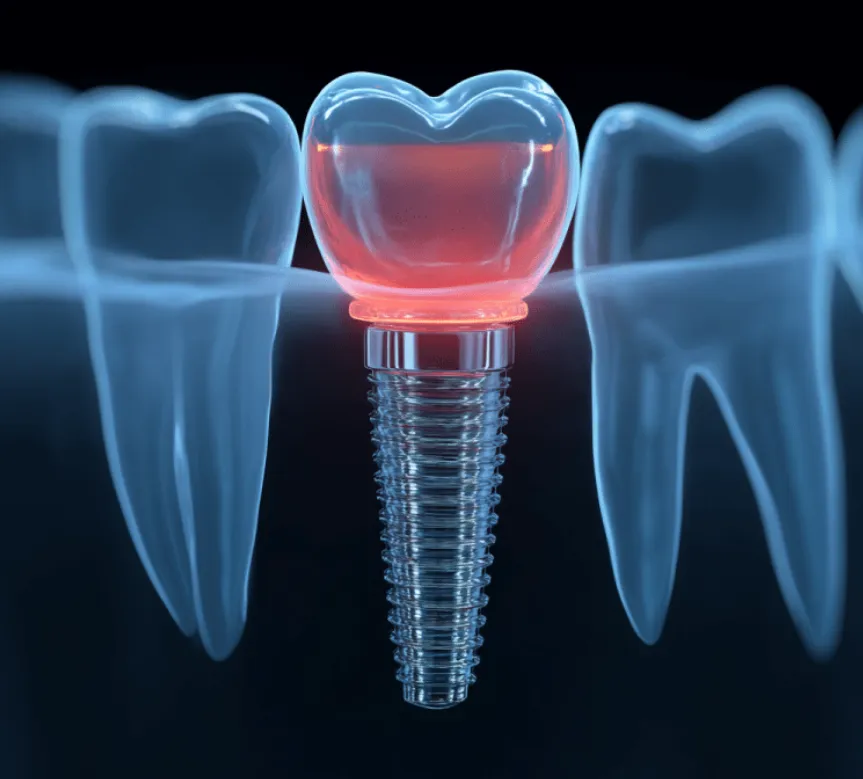
Missing teeth change how you eat, speak, and feel about your smile. You might worry about cost or pain, so you settle for a quick fix. Yet the choice between dental implants and traditional bridges has lasting effects on your mouth and your daily life. Dental bridges rely on nearby teeth. Those teeth are cut, covered, and carry extra force. Implants act like replacement roots. They support your new teeth on their own. This difference protects your remaining teeth and your jaw. It also affects how long your treatment lasts and how natural your smile feels. If you are considering Fresno implant surgery, you deserve clear facts, not pressure. This blog explains four concrete benefits of choosing dental implants over traditional bridges, so you can decide with calm, steady confidence.
1. You protect your healthy teeth
A bridge fills a gap by using the teeth on each side as anchors. To do that, the dentist must grind those teeth. Healthy enamel is removed. The teeth are then covered with crowns that hold the bridge.
This process weakens teeth that were once strong. It also makes them harder to clean. Food and plaque collect where the bridge meets the gums. That raises the risk of decay and root problems.
An implant stands on its own. The post goes into the jaw where the missing root once was. Nearby teeth stay untouched. They keep their enamel and shape. You keep more of your own mouth.
The National Institute of Dental and Craniofacial Research explains that any tooth that loses enamel faces a higher chance of decay.
- Bridges need support from neighbor teeth
- Implants stand alone
- Your natural teeth stay stronger with implants
2. You help prevent bone loss in your jaw
When you lose a tooth, you also lose the root. The root is pressed on the bone each time you chew. That pressure told the bone to stay thick. Without it, the bone starts to shrink. This loss can change your bite and your facial shape.
A bridge only replaces the part of the tooth you see. It rests on the gums and the anchor teeth. It does not reach the jawbone where the root once sat. The bone under the gap still shrinks over time.
An implant replaces the root. The post fuses with the jaw. Each bite sends force into the bone. That pressure helps slow bone loss. It supports your bite and helps keep your lower face from sinking in.
The American College of Prosthodontists notes that missing teeth and bone loss can change chewing and speech.
- Bone needs pressure to stay strong
- Bridges do not give that pressure to the jaw
- Implants act like roots and support the bone
3. You gain long-term stability and comfort
A bridge often works well at first. Yet it depends on the health of the anchor teeth and the fit of the crowns. If decay starts under a crown or the bridge loosens, you may need a full repair or a new bridge.
Implants usually last longer. Once the implant fuses with the bone, it can often stay in place for many years with steady care. The crown on top may need replacement at some point, yet the root part often remains.
Many people also report that implants feel more like their own teeth. You can bite and chew more types of food. You can clean around each implant with a brush and floss. That keeps your mouth more stable over time.
Average service life and common issues
| Feature | Dental Implants | Traditional Bridges |
|---|---|---|
| Typical service life | 15 years or more with care | 5 to 10 years with care |
| Main support | Implant in jawbone | Neighbor teeth and crowns |
| Risk to neighbor teeth | Low | Higher due to grinding and decay |
| Bone support | Helps maintain bone | No direct support for bone |
| Cleaning | Similar to natural teeth | Harder to clean under bridge |
These numbers are general. Your own outcome depends on your health, habits, and home care. Still, the pattern is clear. Implants often give more stable comfort over time.
4. You improve daily function and speech
Missing teeth not only change your smile. They change how you eat, speak, and laugh with others. You may chew on one side or avoid certain foods. You may slur some words or feel your tongue slip into the gap.
Bridges can help with these problems. Yet they sit on top of the gums and may feel bulky. Food can get caught under the bridge. Some people feel unsure when they chew tough food.
Implants hold the crown firmly. The tooth replacement rises from the gums like a natural tooth. That design supports clear speech and steady chewing. It also reduces the fear that the tooth will come loose during a meal or a talk.
- Chewing feels more stable
- Speech sounds clearer
- Social moments feel less tense
Key questions to ask your dentist
Before you choose implants or a bridge, ask your dentist clear questions. You have the right to know every step.
- How will each option affect my other teeth
- What is the expected life of a bridge for my mouth
- How strong is my jawbone in the missing tooth area
- What are all the costs over the next ten years
- What daily care will each option need
The Centers for Disease Control and Prevention share plain facts on adult oral health. You can review patterns of tooth loss and gum disease at the CDC page on adult oral health. That knowledge can guide your talk with your dentist.
Moving toward a steady, strong smile
The choice between a bridge and an implant is personal. It depends on your health, your budget, and your goals. Still, four benefits stand out for implants. You protect healthy teeth. You help prevent bone loss. You gain long-term stability. You improve daily function and speech.
You do not need to rush. Take time to ask questions. Look at your full health, not only the next few months. With clear facts and calm support, you can choose the option that keeps your mouth strong and steady for many years.
