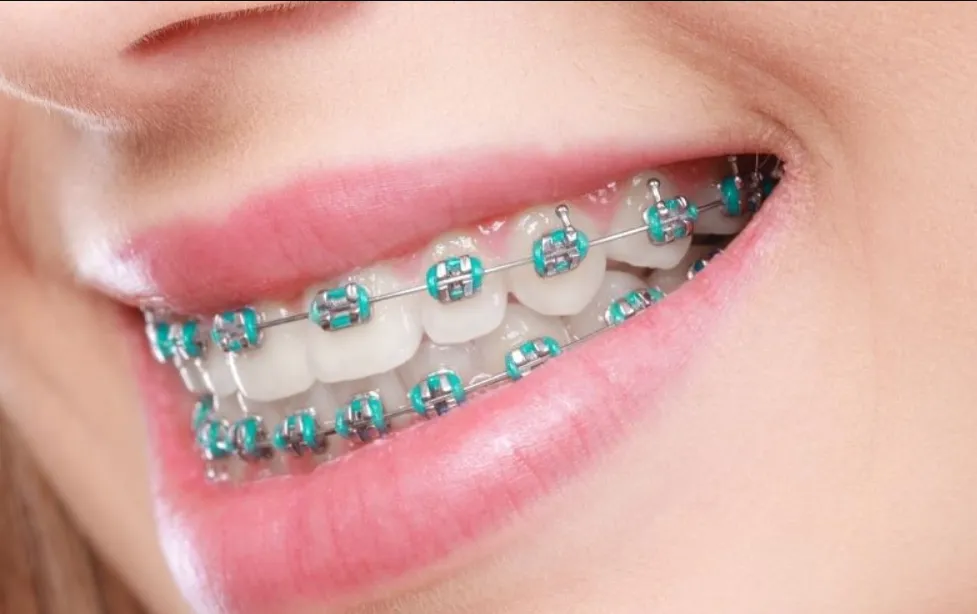
Braces and clear aligners can stir up fear, confusion, and hesitation. You might hear stories about painful visits, huge costs, or treatments that “ruin” your teeth. These myths spread fast. They block you from care that protects your smile and your health. This blog cuts through five common myths about orthodontic treatment. You will see what is true, what is false, and what actually happens during care. You will learn how treatment fits into daily life, how long it can take, and what results you can expect. You will also see when you might need an orthodontist in El Dorado Hills and how to prepare for that first visit. By the end, you can make choices based on facts, not fear.
Myth 1: “Orthodontic treatment is only for kids”
Many people think braces are only for children. That belief keeps adults from asking for help. Teeth can shift at any age. Crowding, gaps, or bite problems can show up during your teens, your 30s, or your 60s.
The American Association of Orthodontists reports that adults now make up a large share of orthodontic patients.
Here is how treatment often compares by age.
| Age group | Common reasons for treatment | Typical benefits |
|---|---|---|
| Children (7 to 12) | Guiding jaw growth, correcting early bite problems, making space | Better growth pattern, less complex care later, fewer extractions |
| Teens (13 to 19) | Straightening crowded teeth, closing gaps, fixing overbite or underbite | More even smile, easier brushing, stronger chewing |
| Adults (20 and older) | Relieving crowding, shifting teeth before implants, easing jaw stress | Improved comfort, cleaner teeth, support for other dental work |
You do not “age out” of care. You can ask about treatment at any stage of life.
Myth 2: “Braces always hurt a lot”
Pain stories spread fast. They often come from old memories or rare problems. Modern braces and clear aligners use gentle, steady pressure. You may feel soreness after a new wire or a new set of aligners. That soreness often lasts one to three days.
You can manage this discomfort with simple steps.
- Eat soft foods such as yogurt, eggs, or cooked pasta for a short time.
- Use over-the-counter pain relief if your dentist says it is safe for you.
- Use orthodontic wax on rough spots to protect your cheeks.
Most people return to school, work, and sports right away. You might need small changes in what you eat or how you clean your teeth. You do not need to put your life on hold.
Myth 3: “Braces ruin teeth”
Braces do not damage teeth. Poor cleaning does. When food and plaque stay around brackets, gums, stains, and cavities can form. That risk exists with or without braces. Good daily care protects your teeth.
The Centers for Disease Control and Prevention explains that brushing with fluoride toothpaste two times each day lowers tooth decay.
During orthodontic treatment, you can protect your teeth if you:
- Brush after every meal and before bed.
- Use floss threaders or small brushes around wires.
- Limit sugary drinks and sticky snacks.
- Keep regular cleanings with your dentist.
Correcting your bite can help your teeth last longer. Straight teeth are easier to clean. They also share chewing forces more evenly. That can lower wear and chipping over time.
Myth 4: “Orthodontic treatment always takes many years”
Some cases do take longer. Many do not. Treatment time depends on three main things. These are the problems you start with, the method used, and how closely you follow instructions.
| Type of problem | Example issues | Common treatment length |
|---|---|---|
| Mild | Slight crowding, small gap | 6 to 12 months |
| Moderate | Several crooked teeth, moderate overbite | 12 to 24 months |
| Complex | Severe crowding, jaw alignment problems | 24 months or longer |
Aligners can treat some mild cases in under a year. Braces can correct more complex problems in two years. These estimates depend on wearing rubber bands as directed, keeping visits, and protecting your braces or aligners from damage.
Routine care is more effective after treatment. Straight teeth let your dentist reach more surfaces during cleanings. That can save time and money later.
Myth 5: “Orthodontic treatment is only about looks”
A straight smile can build confidence. Yet the benefits reach far beyond appearance. Crowded or crooked teeth trap food. That can raise the risk of decay and gum disease. An uneven bite can strain your jaw and neck. It can also wear down certain teeth faster.
When your teeth fit together, you can chew more evenly. You may speak more clearly. You may feel less tension in your jaw. You may also find daily flossing and brushing easier. These changes support long-term health.
Here are three health gains many people notice.
- Less food stuck between teeth after meals.
- Fewer sore spots from teeth bumping in the wrong places.
- Cleaner checkups with fewer new cavities.
Taking your next step with confidence
Myths about orthodontic treatment can keep you stuck. They can feed fear, shame, or delay. You do not need to stay in that place. You can ask questions. You can request a simple exam and X-rays. You can bring your child for a check by age 7 or come as an adult at any time.
Before a visit, you can write down your main concerns. You can note what bothers you most when you chew, talk, or smile. You can also ask about braces, aligners, costs, and payment plans in clear terms.
Orthodontic care is not a luxury. It is a practical step to protect your teeth, your bite, and your comfort. When you replace myths with facts, you give yourself permission to seek the care you need.
