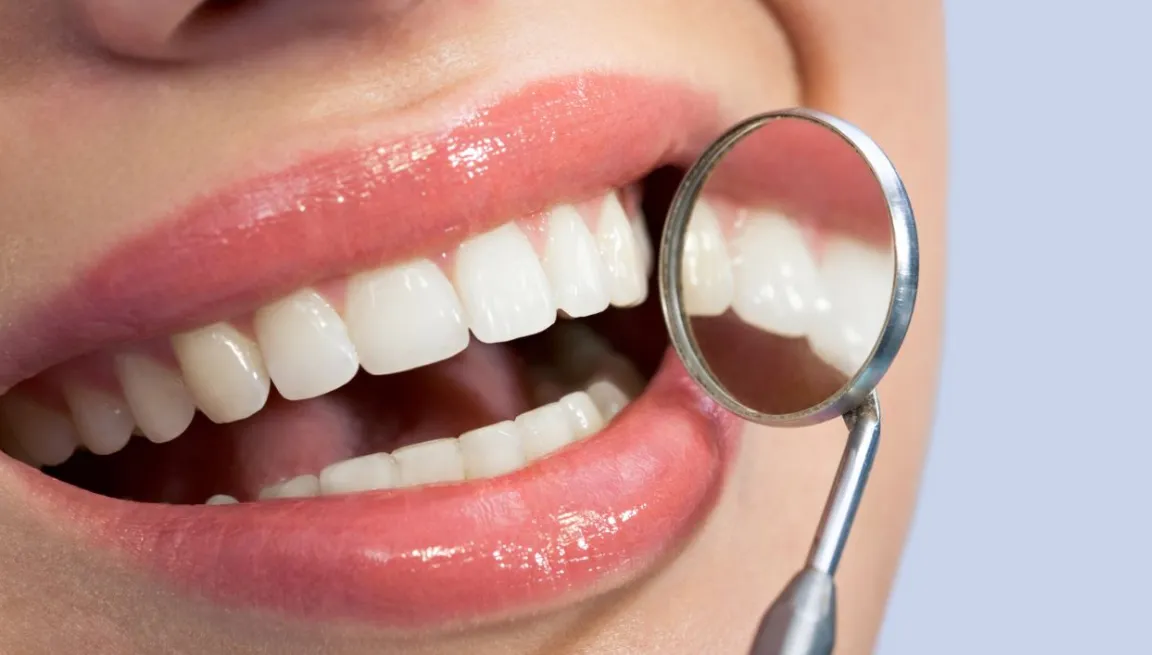
Stains on dental bonding can feel unfair. You avoid sugar, you brush, yet your bonded teeth still darken while others stay bright. This change can hurt your confidence fast. It can also make you hide your smile in photos and at work. You deserve better. The good news is that stains on bonding are not random. They usually come from a few clear habits that you can control. When you know what to change, you can protect your bonding and keep your smile steady. A dentist in Century City sees this problem every day and knows that small choices shape big results. This guide shares five simple steps to stop new stains and slow old ones. You will learn what to drink, how to clean, and when to see your dentist so your bonding stays closer to the color you paid for.
Tip 1: Pick Drinks That Protect Your Bonding
Dark drinks cling to bonding. They sink into tiny rough spots and stay there. Over time they turn a smooth white edge into a dull brown line.
Common stain makers include:
- Coffee
- Tea
- Red wine
- Soda
- Sports drinks
- Dark juices
You do not need to give them up. You only need a new routine.
- Drink stain makers in short sittings instead of all day
- Use a straw for cold drinks to keep liquid off your front teeth
- Rinse with plain water right after you finish
The Centers for Disease Control and Prevention explains that sugar drinks also raise decay risk. That same sugar mix can roughen bonding. That rough surface then pulls in even more color.
Tip 2: Brush The Right Way Twice A Day
Brushing helps or harms bonding. The right brush and paste clean stains. The wrong ones scratch and leave your teeth dull.
Follow three simple steps.
- Use a soft toothbrush to avoid wear on bonding edges
- Pick a non whitening fluoride toothpaste
- Brush gently for two minutes twice a day
Whitening pastes often contain harsh grit. That grit scrapes the bonding surface. It may feel clean at first. Over time, those tiny grooves trap more color from food and drinks.
The American Dental Association lists soft brushes and fluoride pastes as safe options for most people.
Tip 3: Floss And Rinse To Reach Hidden Stain
Stain does not only sit on the front. It also hides where teeth touch. Those spots can darken and make the whole tooth look off.
Daily care needs three parts.
- Floss once a day to clean between bonded teeth
- Slide the floss gently to avoid pulling on the bonding edge
- Rinse with water or an alcohol free mouthwash
Flossing also removes sticky plaque. That sticky film holds stains and feeds germs. Less plaque means less color change and less risk of gum pain. Clean edges keep the line between bonding and natural tooth less noticeable.
Tip 4: Watch Food And Tobacco Habits
Your plate and your lighter both shape the color of bonding. Some food stains quickly. Some habits keep stains pressed against your teeth all day.
Common stain heavy foods include:
- Soy sauce
- Curry
- Berries
- Tomato sauce
- Balsamic vinegar
You can still enjoy them. Eat them with crunchy foods like apples, celery, or carrots. Those can rub some stain away as you chew. Then drink water and brush later.
Tobacco in any form attacks bonding. Smoke and chewing tobacco both leave deep stains that often do not lift. They also dry your mouth. A dry mouth cannot wash away color.
If you use tobacco, talk with your doctor. You can ask about quit plans, patches, or support groups. Your mouth, lungs, and heart all benefit when you stop.
Tip 5: See Your Dentist For Regular Care
Home care slows stain. Professional care corrects problems that you cannot see.
During a checkup, your dentist can:
- Polish bonding with tools made for resin
- Smooth rough spots that grab stain
- Check for chips and cracks
- Tell you when bonding needs repair or replacement
Routine visits also help your dentist track color changes. You can talk about what you eat, what you drink, and how you clean your teeth. Then you can adjust before stains set deep.
How Bonding Compares To Other Dental Options
Each tooth treatment handles stains in a different way. This simple table shows how bonding stacks up against fillings and crowns.
| Treatment Type | Common Use | Stain Resistance | Typical Lifespan With Good Care |
|---|---|---|---|
| Dental bonding | Small chips, gaps, shape changes | Low to medium. Stains faster than enamel | 3 to 10 years |
| Tooth colored filling | Fixing decay inside a tooth | Medium. Better than bonding on front edges | 5 to 15 years |
| Crown | Covering a weak or broken tooth | High. Porcelain resists stain well | 10 to 15 years or more |
Bonding can stain faster than porcelain. Yet with sharp habits, you can still keep it close to your natural shade for many years.
When To Ask About Repair Or Replacement
No bonding lasts forever. At some point, stain or wear will reach a level that cleaning cannot fix.
Schedule a visit soon if you notice:
- A clear dark line between bonding and tooth
- Rough or sharp edges on bonded spots
- Chips that catch your tongue or floss
- Stain that does not change after a cleaning
Early repair costs less and saves more tooth. You and your dentist can decide if polishing, adding more resin, or changing to a veneer or crown fits your needs.
Key Takeaways You Can Use Today
- Limit dark drinks and use water to rinse
- Brush gently with a soft brush and non-whitening paste
- Floss daily and use a simple mouth rinse
- Cut back on stain-heavy foods and stop tobacco
- Keep regular dental visits for polishing and repair
You do not need a perfect routine. You only need steady habits. Each small change protects your bonding. Each good choice helps your smile match the strength you show every day.
