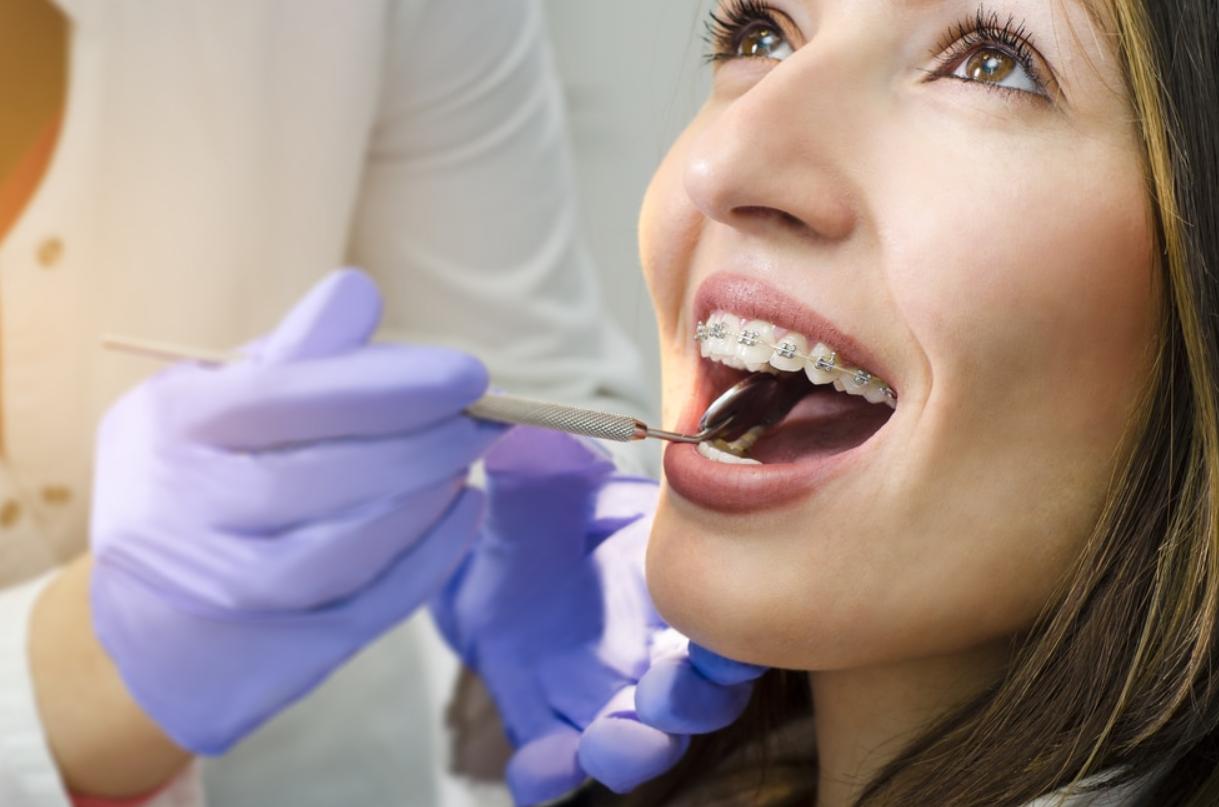
Wearing braces changes how you clean your teeth. Food sticks more. Plaque builds faster. Gums bleed easier. You might feel frustrated or even ashamed. That reaction is common. You are not alone. Good news. You can control what happens next. With a clear plan, you protect your smile during treatment and after. This guide gives you 6 direct tips you can use today. You learn how to brush around brackets, clean between wires, and keep gums firm. You also see how to handle soreness without skipping care. If you or your child are getting orthodontics and braces in Festus, MO, these steps help you avoid cavities, stains, and bad breath. Strong habits now support a straight, healthy smile later. Start with one change. Then build from there.
1. Brush with care and a clear routine
Braces give plaque more hiding spots. You need a set routine. Aim to brush:
- After breakfast
- After lunch or after school
- After dinner
- Before bed
Use a soft toothbrush. Hold it at an angle to clean above and below each bracket. Then turn the brush to clean the chewing and inside surfaces. Take at least two minutes. Count slowly or use a timer.
Electric brushes can help you clean more evenly. The Centers for Disease Control and Prevention stresses fluoride toothpaste. That one step helps your teeth fight acid and early decay during treatment.
2. Clean between teeth and under the wire
Flossing feels hard with braces. It still matters. Skipping it leads to swollen gums, bad breath, and stains around brackets.
You can choose from simple tools. Each one reaches different spots.
Tools for cleaning between teeth with braces
| Tool | Best use | How often |
|---|---|---|
| Floss threader with waxed floss | Sliding floss under the wire between each tooth | Once each day |
| Orthodontic floss (stiff end) | Faster use when you thread floss through many spaces | Once each day |
| Interdental brush | Cleaning around brackets and between wider gaps | Once or twice each day |
| Water flosser | Rinsing out food and plaque along the gumline | Once each day |
Pick the tool that you or your child will actually use. Set a time each night. Sit at a table if the sink feels tiring. Good flossing is better than perfect plans you never follow.
3. Choose food that protects your braces and gums
Your food choices affect both your teeth and your braces. Hard or sticky food can break brackets and bend wires. Sugary snacks feed bacteria that cause decay.
Try this simple guide.
Food choices during orthodontic treatment
| Better choices | Use with care | Try to avoid |
|---|---|---|
| Yogurt, cheese, eggs | Thin apple slices | Hard candy |
| Soft cooked vegetables | Cut raw veggies into small pieces | Caramel and taffy |
| Bananas, berries, soft fruit | Occasional sweets with water after | Popcorn and unpopped kernels |
| Beans, fish, poultry | Rice and pasta that you rinse from braces | Ice chewing |
The National Institute of Dental and Craniofacial Research explains that sugar and starch feed plaque. You do not need a perfect diet. You do need fewer sugary drinks and snacks between meals. Rinse with water after sweet food if you cannot brush right away.
4. Use fluoride and mouth rinse for extra protection
Braces can leave white marks on teeth when plaque stays in one place. Fluoride lowers that risk. You can:
- Use fluoride toothpaste twice each day
- Ask your orthodontist about a fluoride mouth rinse
- Drink tap water if your town adds fluoride
Swish rinse around brackets and along the gumline. Spit it out. Do not eat or drink for at least 30 minutes so the fluoride can work. This small habit helps keep enamel strong through each stage of treatment.
5. Manage soreness without skipping cleaning
Braces can cause sore spots after adjustments. You might want to stop brushing near the tender tooth. That choice backfires. Plaque grows. Gums swell. Pain gets worse.
Instead you can:
- Use orthodontic wax on sharp brackets
- Rinse with warm salt water to calm sore gums
- Switch to a soft diet for a day
- Brush with gentle pressure, not hard scrubbing
If pain feels strong or lasts longer than a few days, call the orthodontic office. Something may need a small adjustment. Quick fixes protect both comfort and hygiene.
6. Keep regular visits with both dentist and orthodontist
Braces do not replace routine checkups. You need both types of care.
- Orthodontic visits to adjust wires and track progress
- Dental checkups and cleanings to remove hard plaque and check for decay
Tell the dentist that you or your child wears braces. The team can use tools that reach around brackets and give extra coaching on cleaning. Regular professional cleanings stop small problems from turning into painful cavities or gum disease.
Set up a simple daily plan
Orthodontic treatment can feel long. A clear routine makes it easier. Try this daily plan:
- Morning. Brush with fluoride toothpaste after breakfast
- After school or work. Rinse with water. Brush if you ate sticky or sweet food
- Evening. Floss with your chosen tool. Use an interdental brush. Brush again. Use fluoride rinse if advised
Post this plan on the bathroom mirror. Check off each step for the first month. Soon it feels normal. You protect the time and money you put into treatment. You also protect your confidence when the braces come off and your clean, straight smile shows.
