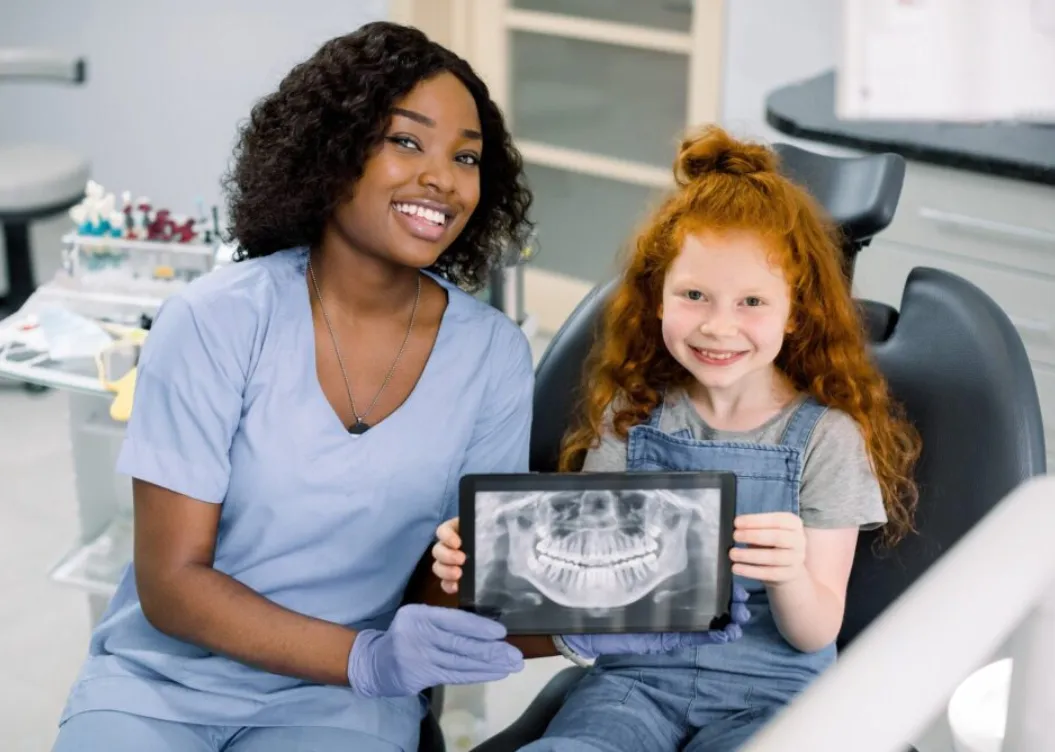
Early orthodontic assessments protect your child’s bite, speech, and face shape before problems grow painful. When you bring your child in early, a specialist can spot crowding, jaw growth issues, and habits like thumb sucking that may twist teeth out of place. This early look often means shorter treatment, less discomfort, and fewer tooth removals later. It also supports clear speech and easier chewing. Many parents wait for clear crooked teeth. By that time, bone and bite patterns feel locked in. Early checks give you options instead of urgent fixes. They also help your child build trust with dental care and reduce fear. A West Covina pediatric dentist can work with an orthodontist to track growth, guide tooth eruption, and protect your child’s self respect. You gain a simple plan. Your child gains a steady, confident smile.
1. You catch problems while the mouth still grows
Your child’s jaw and face change fast between ages 6 and 10. Teeth move. Bone responds to gentle pressure. That window gives you a strong chance to guide growth instead of reacting later.
During an early orthodontic check, the provider will:
- Review your child’s dental and health history
- Look at how the top and bottom teeth meet
- Check jaw position and face symmetry
- Look for crowding, gaps, crossbites, overbites, and underbites
The American Association of Orthodontists advises that children see an orthodontist by age 7. That age is not a deadline. It is a safety check. It lets you see if growth stays on track or if small changes now can prevent hard treatment later.
2. You may avoid extractions and complex care later
When teeth crowd, the usual late fix often means tooth removal and longer braces. When you act early, the provider can help the jaw grow in a way that makes more room. That may protect your child from extractions.
Common early steps can include:
- Space maintainers when a baby tooth comes out too soon
- Simple expanders that gently widen the upper jaw
- Guides to help front teeth come in straighter
The goal stays simple. Create enough room for adult teeth and a steady bite. You trade harsh correction for gentle guidance. That often means shorter treatment and fewer visits during the teen years.
3. You support clear speech, chewing, and breathing
The way teeth and jaws line up affects much more than a smile. It shapes how your child eats, speaks, and even sleeps.
Early orthodontic checks can help with:
- Chewing. A poor bite can make chewing slow or uneven. That can lead to stomach upset and food refusal.
- Speech. Certain bites can affect sounds like “s” and “th”. Early changes can support speech therapy.
- Breathing. A narrow upper jaw can be linked with mouth breathing and snoring.
Some children also clench or grind teeth when the bite feels off. That can wear teeth and strain jaw joints. Early checks help spot these patterns.
4. You reduce emotional strain and protect confidence
Teeth and face shape affect how a child feels in school, in photos, and in groups. Early action can ease that strain.
Early orthodontic assessments help your child:
- Face fewer comments about crooked teeth or jaw shape
- Speak and smile without worry
- Feel in control because they know what to expect
Trust in dental care also grows when visits start young and feel calm. Each visit becomes a simple check, not a crisis. That pattern can reduce fear and help your child stay engaged in their own care through adolescence.
5. You gain a clear plan and often lower total cost
Early orthodontic assessments give you information. They do not always lead to treatment. Many times, the plan is “watch and wait” with regular checks. Yet that plan still protects you from surprise problems.
Here is a simple comparison of starting checks early compared with waiting until the teen years.
| Factor | Early assessment around age 7 | First check in early teens |
|---|---|---|
| Chance to guide jaw growth | High. Bone still grows and responds to gentle pressure. | Low. Growth slows, and patterns feel set. |
| Need for tooth extractions | Often lower. More room can be created early. | Often higher when crowding stays severe. |
| Length of treatment | Often shorter and more focused. | May be longer with more complex steps. |
| Total costs over childhood | Can be spread out and reduced through prevention. | Costs may cluster in a few hard years. |
| Impact on school and activities | Visits can be brief and planned ahead. | Frequent visits and adjustments may disrupt schedules. |
The financial side matters for every family. Early checks can reveal simple steps that prevent larger bills later. They also let you plan and use benefits in a steady way instead of in one sharp burst.
How to get started
You do not need a referral to ask for an orthodontic check for your child. You can start by:
- Asking your child’s dentist if any bite or growth concern stands out
- Scheduling an orthodontic visit around your child’s seventh birthday
- Bringing past x rays or records if you have them
Many early visits end with simple advice. Watch this tooth. Help your child stop thumb sucking. Come back in six months. Those small steps protect your child’s health and ease your own worry.
Early orthodontic assessments give you clarity. They protect function, comfort, and confidence. They also show your child that their health matters and that you stand beside them with a clear, steady plan.
