Your mouth affects how you eat, speak, and relate to other people. When you lose teeth or live with gum disease, daily life can feel smaller and more limited. You may hide your smile. You may avoid certain foods. You may feel constant worry about pain or infection. Periodontal care focuses on the health of your gums and bone. Implant dentistry replaces missing teeth with strong, stable anchors. Together, they create a full plan to rebuild your mouth. This combined approach does more than fill gaps. It treats infection, restores support, and protects your remaining teeth. It also helps prevent future problems that cost more time and money. If you live with loose teeth, missing teeth, or sore gums, you are not stuck. You can regain strength, comfort, and confidence through planned periodontal treatment and Albuquerque dental implants.
Why Healthy Gums Matter Before Implants
Dental implants need strong support. That support comes from your jawbone and gums. When gum disease is active, it eats away at both. This loss is slow and silent. Many people miss the early warning signs.
Common signs of gum disease include three key changes.
- Bleeding when you brush or floss
- Swollen or tender gums
- Bad breath that does not clear with brushing
If gum disease is not treated, teeth loosen, and bone melts away. Then implants have less bone to hold them. The National Institute of Dental and Craniofacial Research explains that gum disease is a main cause of tooth loss in adults. Treating it first protects any implant you receive.
How Periodontal Care Prepares You For Implants
Periodontal treatment removes infection and rebuilds support. Your periodontist studies your gums, bone level, and medical history. Then you receive a step-by-step plan. Each step prepares your mouth for long-term success.
Common steps include three core parts.
- Deep cleaning to clear plaque and tartar under the gums
- Gum surgery to reduce deep pockets that trap bacteria
- Bone or tissue grafts to restore lost support
After healing, your gums hold tightly to your teeth again. Your bone becomes stronger. At that point, implant placement becomes safer and more predictable.
What Dental Implants Add To Your Recovery
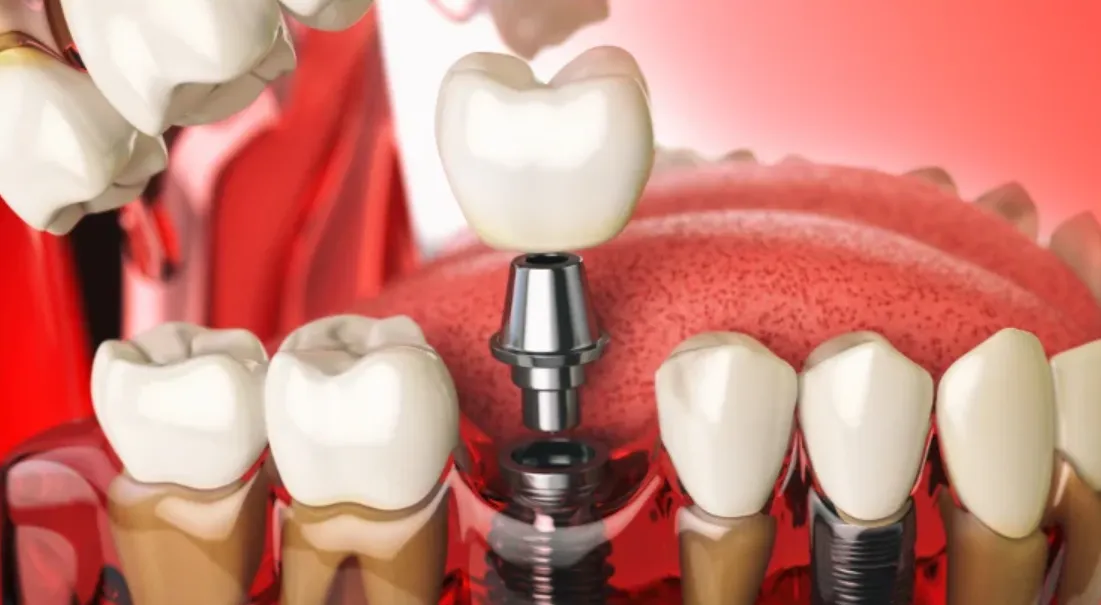
Dental implants replace roots. A small titanium post goes into your jaw. Over time, bone grows around it. Once healed, a crown, bridge, or denture connects to the implant.
Implants help you in three main ways.
- You can chew more foods with steady pressure
- Your speech becomes clearer
- Your jawbone keeps its shape and height
The American Dental Association notes that implants can last many years with good care. When you pair them with strong gums, you protect that investment.
Comparing Treatment Paths For Tooth Loss
People often choose between implants, bridges, and dentures. Each option has strengths and limits. The right choice depends on your health, bone level, and goals.
| Treatment Type | Supports Jawbone | Affects Nearby Teeth | Stability When Chewing | Typical Use |
|---|---|---|---|---|
| Single or multiple dental implants | Yes. Helps maintain bone height | No. Does not rely on nearby teeth | High | One or more missing teeth |
| Fixed dental bridge | No. Bone under the gap can shrink | Yes. Nearby teeth are reshaped for crowns | Moderate to high | One or two missing teeth in a row |
| Removable partial denture | No. Bone loss often continues | Sometimes. Clasps can stress nearby teeth | Moderate | Several missing teeth |
| Full removable denture | No. Bone loss often speeds up | No nearby teeth present | Low to moderate | All teeth missing in one jaw |
The Power Of Combining Gum And Implant Care
When you combine periodontal and implant treatment, you protect both your health and your budget. You treat the disease first. Then you restore missing teeth. This order lowers the chance of future infections around implants.
A combined plan usually follows three stages.
- Control infection through cleaning and gum treatment
- Rebuild lost bone or gum tissue when needed
- Place implants and restore them with crowns or dentures
This careful sequence helps you avoid repeat surgery and extra cost. It also lowers pain and stress over time.
What To Expect During Treatment
Every step includes clear goals and time for healing. You and your care team talk through each stage before it begins.
In general, you can expect three main phases.
- Planning. X-rays, scans, and gum measurements guide your plan
- Treatment. Gum care and implant placement happen in stages
- Maintenance. Regular cleanings and checkups keep your results steady
You receive numbing during the procedures. You also receive clear home care directions. Following these directions gives you the best chance for strong healing.
Protecting Your Results At Home
Your daily routine keeps your new smile safe. You control many of the risks that can damage implants or gums.
Focus on three habits.
- Brush twice a day with a soft brush and fluoride toothpaste
- Clean between teeth and around implants every day
- See your dentist and periodontist on the schedule they suggest
If you smoke, quitting helps your gums heal and lowers implant failure. If you have diabetes, good blood sugar control helps protect your bones and gums.
When To Seek Help
Do not wait if you notice loose teeth, bleeding gums, or pain when chewing. Early care often means simpler treatment. It can also save teeth that might otherwise be lost.
If you already wear dentures that slip, you may still have options. Implants combined with periodontal care can often secure a loose denture. They can also reduce sore spots and improve chewing.
You deserve a mouth that feels strong and calm. With planned periodontal treatment and carefully placed implants, you can move from worry and pain to steady function and quiet confidence.
