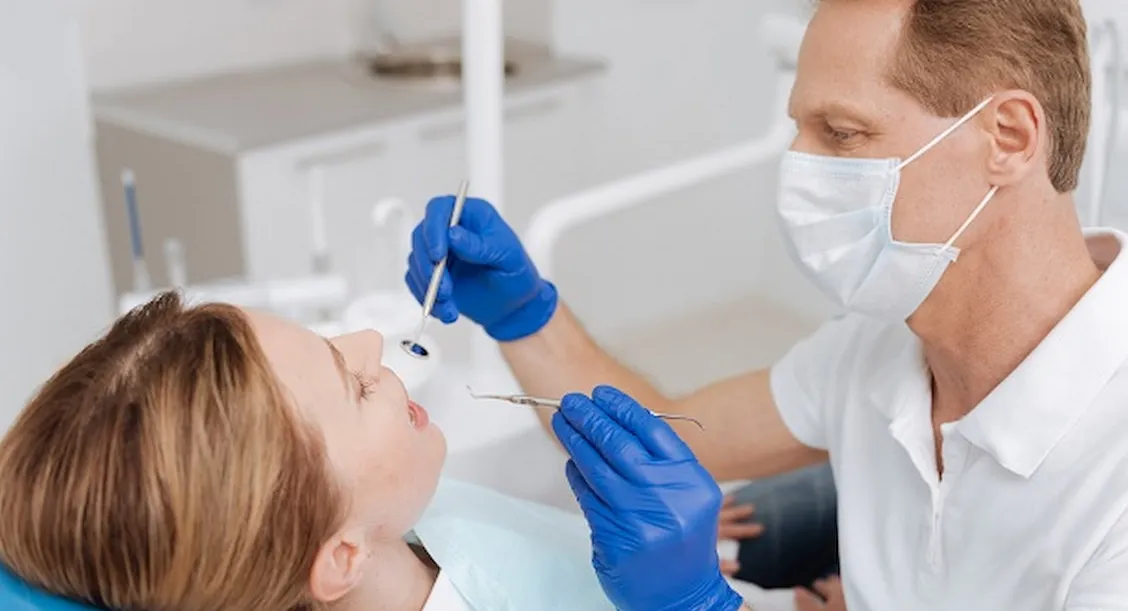
Dental pain hits fast. You may crack a tooth at dinner. Your child may wake in the night crying from a swollen gum. You may feel a sudden sharp ache on a weekend. In those moments, you want clear help, not confusion. General dentistry gives you that help. It offers same day exams, quick relief, and simple next steps. A Stony Point dentist can treat broken teeth, loose fillings, tooth infections, and gum injuries when they explode into your day. You do not need to search for a new specialist or wait in fear. Instead, you can call a trusted general dentist who already knows your mouth, your history, and your pain. This blog explains how general dentistry responds in a crisis, what to expect during an urgent visit, and how you can prepare before trouble starts.
What Counts As A Dental Emergency
You may feel unsure if you should call. You may worry about overreacting. You should know the common signs that need fast care.
- Strong tooth pain that does not fade with over the counter medicine
- A tooth that breaks, chips, or falls out
- Swelling in your face or jaw
- Bleeding in your mouth that will not stop
- A loose adult tooth
- Injury to lips, tongue, or inside of cheeks
Any trouble that affects breathing, swallowing, or causes high fever needs emergency medical care. You should call 911 or go to the nearest hospital. The Centers for Disease Control and Prevention explains that untreated tooth decay and infection can spread and cause sickness in the whole body.
How General Dentistry Handles Emergencies
General dentists treat most urgent mouth problems. You can think of them as your first stop for sudden tooth trouble. They can check, treat, and follow up.
Here is how a general dentist often responds when you call with an emergency.
- You describe your pain, injury, or swelling.
- Staff ask clear questions and decide if you need same day care.
- You get a time to come in or clear advice for home care until the visit.
- During the visit, the dentist checks your mouth and may take an X ray.
- You get treatment to ease pain and control infection.
- You receive a plan for any follow up work you need.
This direct path lowers fear. It gives you one place to go and one team to guide you.
Common Emergency Treatments In General Dentistry
General dentists use a set of treatments that cover most sudden problems.
- Temporary fillings and repairs. These cover cracks and broken spots so you can eat and sleep.
- Root canal treatment. This cleans an infected tooth so you keep it instead of losing it.
- Tooth removal. This removes a tooth that cannot be saved and eases strong pain.
- Reimplanting a tooth. This places a knocked out tooth back in the socket if you act fast.
- Stitches for cuts. This closes deep cuts in gums or cheeks.
- Drainage of infection. This releases trapped pus from an abscess and starts healing.
Every step aims to do three things. Stop pain. Protect life. Save teeth when possible.
How Fast Should You Act
Time matters. Some dental injuries give you only a short window for the best outcome. You do not need to guess. Use this table as a simple guide.
| Problem | When To Call A General Dentist | Simple Home Steps Before The Visit |
|---|---|---|
| Knocked out adult tooth | Right away. Within 30 minutes is best. | Pick up tooth by the crown. Rinse gently with clean water. Place back in the socket if you can. If not, keep it in milk. |
| Cracked or broken tooth | Same day if pain or sharp edges | Rinse mouth with warm water. Use cold pack on cheek for swelling. Keep broken pieces in a clean container. |
| Strong toothache | Same day or next day | Rinse with warm salt water. Use over the counter pain medicine as directed. Do not place aspirin on the tooth or gums. |
| Facial swelling with tooth pain | Right away. Seek urgent or emergency care. | Keep head raised. Use cold pack. If you have trouble breathing or swallowing, call 911. |
| Lost filling or crown | Within a few days. Sooner if pain. | Keep the crown or filling. Avoid chewing on that side. You may use store bought dental cement as a short fix. |
The National Institute of Dental and Craniofacial Research states that quick care for tooth decay and injury lowers the chance of tooth loss and serious infection.
What To Expect During An Emergency Visit
Unknown steps can raise fear. You can lower that fear when you know what will happen.
During an emergency visit, you can expect three main parts.
- Fast check in. Staff confirm your contact details and health history. They ask about allergies and current medicines.
- Pain check and exam. The dentist looks in your mouth, tests the teeth, and checks your bite. They may order X rays.
- Same day action. You receive pain control. You may get a temporary repair, a root canal start, or removal of a tooth.
You also receive clear words. What happened. What can be done now. What must wait. How to care for the treated spot at home. When to come back.
Emergency Care For Children And Older Adults
You may care for a child or an older adult. Both can face higher risk during dental trouble.
For children, you should watch for:
- Broken baby teeth after falls
- Knocked out adult teeth during sports
- Swollen cheeks from tooth decay
For older adults, you should watch for:
- Broken teeth near large fillings
- Pain under dentures
- Swelling in the jaw
You should keep a list of their medicines and health problems ready. You should bring that list to every emergency dental visit.
How To Prepare Before An Emergency Happens
You cannot stop every accident. You can still lower the damage.
- Save your general dentist phone number in your phone and on the fridge.
- Ask if the office has after hours support.
- Use a mouth guard for contact sports.
- Do regular cleanings and checkups to catch weak spots early.
- Keep basic supplies at home. Gauze, cold packs, small clean container, and store bought dental cement.
These small steps give you control. They turn panic into action when trouble hits.
When To Use The Emergency Room Instead
Sometimes a problem is bigger than the tooth. You should seek hospital care when you see:
- Swelling that spreads to the eye, throat, or neck
- Trouble breathing or swallowing
- High fever with dental pain
- Loss of consciousness after a face injury
In those moments, call 911 or go to the nearest emergency room. Dentists and doctors can work together later. Your safety must come first.
Take The Next Step Before Pain Strikes
You do not need to wait for a crisis to build a plan. You can choose a general dentist now. You can learn how that office handles urgent calls. You can ask clear questions. Who answers after hours. How fast can you be seen. What should you do with a knocked out tooth.
When you prepare, you protect yourself and your family. You keep fear from taking over. You give pain less power. And you give your general dentist the chance to help you when you need it most.
