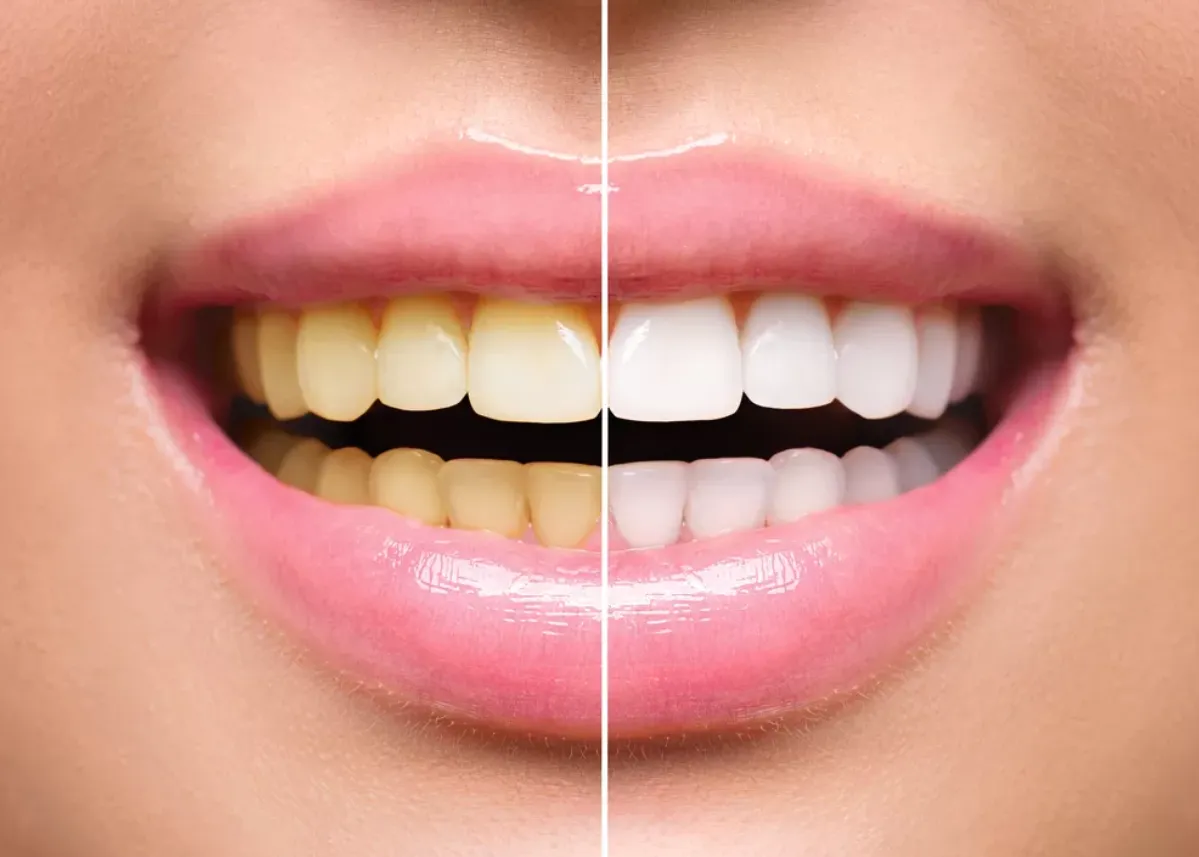
A bright smile affects how you feel at work, at school, and at home. You may hide your teeth in photos or avoid laughing in public. You are not alone. Many families want cleaner, straighter, whiter teeth but feel unsure where to start. A trusted Whitby dentist can guide you through simple choices that fit your life and budget. First, you can use teeth whitening to lift stains from coffee, tea, or tobacco. Next, you can repair broken or worn teeth with strong crowns that match your natural color. Finally, you can close gaps or reshape teeth with bonding or veneers. Each option has clear steps, costs, and results. You deserve straight facts, not pressure. This guide explains common cosmetic services for every age so you can decide what feels right for you and your family.
Start with healthy teeth and gums
Cosmetic work only helps if your mouth is healthy. You need clean teeth and firm gums before you whiten or repair anything.
First, schedule a full checkup and cleaning. Your dentist will
- Check for cavities and infection
- Look for gum disease or recession
- Take x rays if needed
The Centers for Disease Control and Prevention explains how common cavities and gum disease are across all ages.
Only after basic problems are treated should you move ahead with whitening, crowns, or other changes. Strong foundations protect your money and your time.
Teeth whitening options for your family
Whitening lightens stains from food, drinks, smoking, and age. It does not change the shape of teeth. It also does not work on fillings, crowns, or dentures.
Common choices include
- In office whitening with stronger gel and light
- Custom take home trays from your dentist
- Store strips and paint on gels
- Whitening toothpaste for upkeep
Here is a simple comparison table. Costs and times are rough and can change by clinic and region.
| Whitening type | Where you use it | Typical time to see change | Usual cost range (per treatment) | Best for |
|---|---|---|---|---|
| In office whitening | Dental clinic | About 1 to 2 hours | High | Adults who want fast change |
| Custom take home trays | Home after dentist visit | 1 to 2 weeks | Medium to high | Teens and adults who prefer control |
| Store whitening strips or gels | Home | 2 to 4 weeks | Low to medium | Adults on tighter budgets |
| Whitening toothpaste | Home brushing | 4 or more weeks | Low | Teens and adults for upkeep |
Children usually do not need whitening. If you worry about stains on a child’s teeth, ask your dentist to check for injury, weak enamel, or illness first.
Crowns to repair and protect teeth
Crowns cover the full tooth above the gum line. You use them when a tooth is cracked, weak, or shaped in a way that bothers you.
Crowns can
- Protect teeth after large fillings or root canal treatment
- Cover worn, chipped, or dark teeth
- Improve bite and chewing
Common crown materials include
- Tooth colored porcelain
- Porcelain fused to metal
- Full metal, often for back teeth
- Zirconia, which is strong and tooth colored
Children sometimes need crowns on baby teeth after large cavities. This protects the tooth until it falls out on its own. The American Academy of Pediatric Dentistry explains more about crowns for children at the AAPD dental FAQ page.
Bonding and veneers for shape and gaps
Bonding and veneers change the front surface of teeth. They help if you feel upset by chips, small gaps, or uneven edges.
Bonding uses tooth colored resin. The dentist shapes it on the tooth and hardens it with light. You often need no shots. It works well for
- Small chips
- Short teeth
- Minor stains
- Small gaps between teeth
Veneers are thin covers made in a lab. The dentist removes a thin layer of enamel and bonds the veneer to the front of the tooth. Veneers can give a clear change in color and shape. They cost more than bonding and are usually for older teens and adults.
Orthodontic options for kids, teens, and adults
Straight teeth are easier to clean. They also reduce jaw strain and uneven wear.
Common choices include
- Metal braces
- Ceramic braces that blend with teeth
- Clear aligner trays
Early checks help. Many dentists suggest an orthodontic check by age 7. This does not always mean braces start that early. It lets the provider watch jaw growth and guide it if needed.
Planning cosmetic care as a family
You can lower stress and cost when you plan as a household. Use three simple steps.
First, set clear goals.
- Do you want whiter teeth for family photos
- Do you want to fix one painful or broken tooth
- Do you hope to straighten teeth over time
Next, talk through timing.
- Young children often need only cleanings, sealants, and simple repairs
- Teens may focus on braces and sports guards
- Adults may choose whitening, crowns, or veneers
Finally, review cost and coverage.
- Check what your dental plan covers
- Ask for written treatment plans with prices
- Spread care out over months or years if needed
Questions to ask your Whitby dentist
Before you agree to any cosmetic work, ask direct questions.
- Why do you suggest this treatment for me or my child
- What are the other choices
- How long will the results last
- What are the risks
- What care will I need at home
- What is the full cost, including visits and repairs
Your smile should feel like your own, not a copy of a photo online. With clear facts, you can choose whitening, crowns, bonding, veneers, or braces that suit each person in your family. Steady care, regular checkups, and honest talks with your dentist will keep those changes strong for many years.
