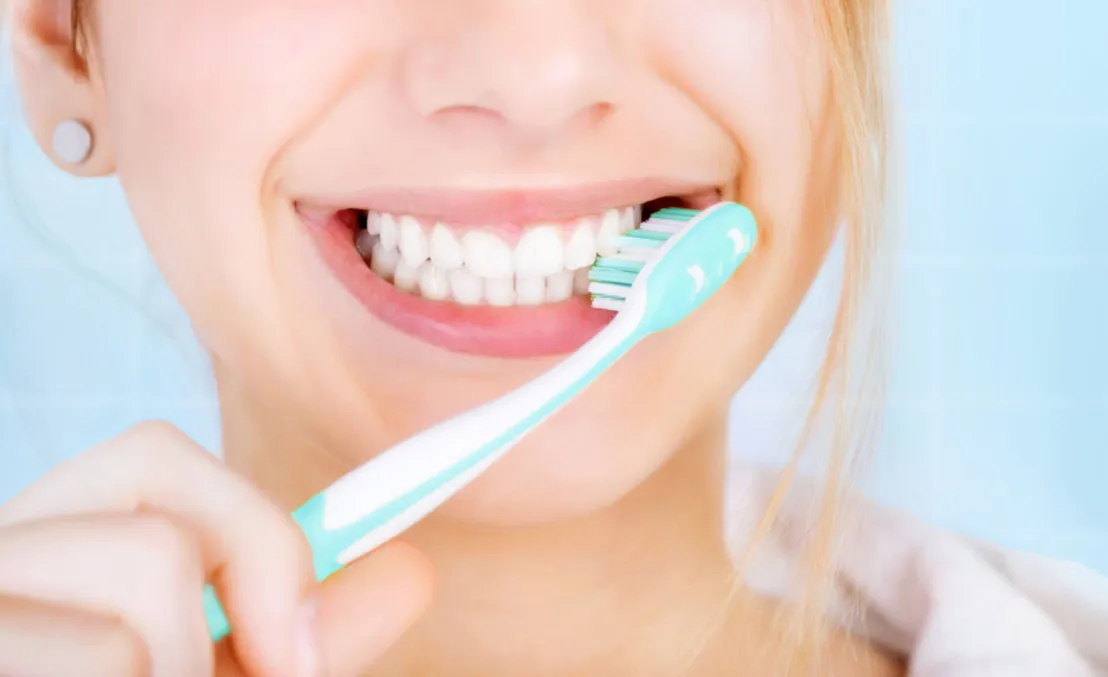
Your smile shapes how others see you and how you see yourself. Oral health and facial aesthetics are tied together. You cannot separate them. Healthy teeth and gums support your lips, cheeks, and jaw. Damaged or missing teeth can hollow your face, thin your lips, and change your bite. This can make you look older or tired. Poor oral hygiene can stain teeth and cause bad breath. It can also lead to gum disease, bone loss, and loose teeth. Every choice you make for your mouth leaves a mark on your face. A Lancaster dentist can spot early changes in your bite, jaw, and gum line that affect your profile. Regular checkups, simple daily habits, and the right treatments protect both your health and your appearance. When you care for your mouth, you protect your confidence, your comfort, and the way you show up in every room.
How Teeth Shape Your Face
Your teeth act like support beams for your face. They hold up your lips and cheeks. They also guide how your jaw closes.
When teeth are strong and in line, your face looks steady and balanced. When teeth wear down or go missing, your lower face can sag. Your chin can move closer to your nose. Your smile can shrink.
Key links between teeth and facial shape include three main points.
- Tooth length affects how much of your upper and lower teeth show when you speak and smile.
- Tooth position affects how full your lips look and how wide your smile appears.
- Tooth contact affects your jaw joint and can lead to pain, tightness, or a shift in your bite.
Even small changes in tooth height or position can change your profile. Early care prevents deeper damage that is harder to fix.
The Role Of Gums And Bone
Your gums and the bone under them hold your teeth in place. They also support your jaw shape. When gums swell or pull back, you can lose this support.
Gum disease starts with plaque. It can progress to infection and bone loss. The National Institute of Dental and Craniofacial Research explains how untreated gum disease can destroy the bone that supports teeth.
As bone shrinks, your face can change in three ways.
- Your cheeks can sink because they lose inner support.
- Your jawline can look weaker because the bone edge thins.
- Your upper lip can look longer because the teeth and bone under it move.
Timely care for bleeding gums, loose teeth, or pain when chewing protects both your health and your looks.
Common Oral Problems And How They Show On Your Face
| Oral Problem | What Happens In Your Mouth | Visible Effect On Face Or Smile |
|---|---|---|
| Tooth decay | Softened enamel and cavities | Dark spots, uneven tooth edges, cautious smile |
| Gum disease | Inflamed gums and bone loss | Red or puffy gums, longer teeth, shifting teeth |
| Tooth loss | Gaps where teeth are missing | Sunken cheeks, collapsed bite, older look |
| Teeth grinding | Worn teeth and stressed jaw joint | Short teeth, wide jaw muscles, tense look |
| Staining | Discoloration from food, drink, or tobacco | Yellow or brown teeth, closed or guarded smile |
Each problem builds over time. Quick action shortens treatment and limits change in your face.
Healthy Habits That Protect Your Appearance
You can protect your smile and face with three simple habits.
- Brush twice a day with fluoride toothpaste. Use a soft brush and gentle circles along the gum line.
- Clean between teeth every day with floss or another cleaner. This removes plaque that your brush cannot reach.
- See a dentist on a regular schedule for exams and cleanings. Ask about any change in your bite, jaw, or gums.
The Centers for Disease Control and Prevention explains that regular oral care lowers the risk of cavities and gum disease.
Limit sugary drinks. Avoid tobacco. Drink water often. These small daily choices protect enamel, gums, and bone.
How Dental Care Can Refresh Your Face
Dental care can restore both function and appearance. It can also ease pain and strain in your jaw.
Common treatments that affect facial aesthetics include three main groups.
- Restorations. Fillings, crowns, and bridges rebuild damaged teeth. They restore height and support for your lips and cheeks.
- Alignment care. Braces or clear aligners move teeth into better positions. They improve your bite, balance your profile, and open your smile.
- Replacement options. Implants, dentures, or partials replace missing teeth. They support facial muscles and slow bone loss.
When your teeth meet in a steady way, your jaw muscles relax. Your face can look calmer and more at ease.
Supporting Children And Older Adults
Oral health affects every age. The face keeps changing through life. Your care should change with it.
For children, early dental visits guide jaw growth and tooth spacing. Straight baby teeth support clear speech and chewing. Good habits learned young often last.
For older adults, dry mouth, medicines, and past tooth loss can speed bone changes. Regular visits help spot loose dentures, worn teeth, and gum problems. These checks protect eating, speaking, and facial support.
Families can help by doing three simple things.
- Set a shared brushing time in the morning and at night.
- Keep water handy and limit sugary snacks.
- Plan group dental visits so no one skips care.
When To Seek Help Right Away
Some changes need prompt care. Do not wait if you notice three warning signs.
- Sudden swelling in your face or jaw.
- Loose teeth or a bite that feels new or off.
- Persistent pain, bleeding, or sores that do not heal.
Quick action can prevent infection, deeper bone loss, and lasting changes in your face.
Protecting Your Smile And Your Face
Your mouth is not separate from your face or your life. Every brushing, every snack, and every checkup shapes how you look and how you feel.
You do not need perfect teeth. You need clean, stable, pain-free teeth and gums that support your lips, cheeks, and jaw. With steady habits and regular dental care, you can protect your health and keep a natural, confident expression at every age.
