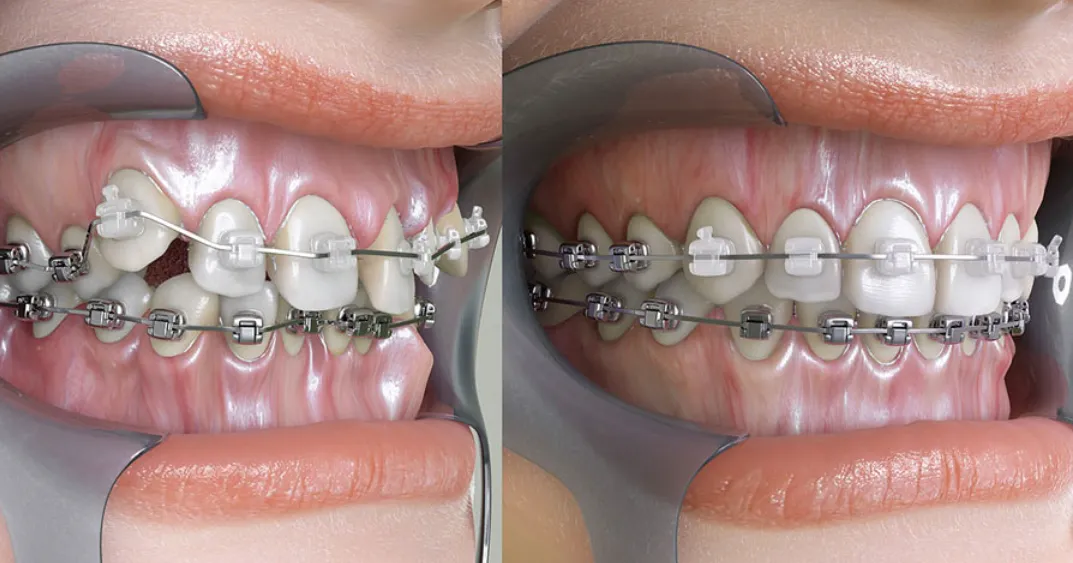
Your jaw does more than help you chew. It shapes how you breathe, speak, sleep, and even how your neck and head feel each day. When your teeth or jaw sit out of place, small problems build. You may grind your teeth. You may wake with headaches. You may feel tightness in your face or jaw. Orthodontic care does more than straighten teeth for looks. It guides how your upper and lower jaws meet. It supports a steady bite and calm muscles. If you are thinking about orthodontics in Zionsville, IN, you deserve to know how treatment can support your whole jaw system. This connection between tooth position and jaw balance is often ignored. You do not need to guess. You can learn what is happening in your mouth, what that means for your body, and what treatment can change.
How Your Bite Affects Your Whole Body
Your teeth and jaws form one working system. When they fit together, you chew well. You breathe with ease. You speak without strain. When they do not fit, your body works harder every day.
Common signs of poor jaw alignment include three groups of problems.
- Pain. Jaw soreness, ear pain, neck pain, or headaches.
- Function trouble. Chewing on one side, teeth that do not touch, or jaw that clicks.
- Wear and tear. Chipped teeth, flat teeth, or gums that recede.
The National Institute of Dental and Craniofacial Research explains that jaw joint trouble can affect daily life and comfort.
What Orthodontics Really Does For Your Jaw
Orthodontics moves teeth. Yet the deeper goal is to guide jaw growth and jaw position. When your teeth line up, your jaw joints and muscles can rest in a steady place.
Orthodontic treatment aims to do three things.
- Line up the teeth within each jaw.
- Match how the upper and lower teeth meet.
- Support a jaw position that feels steady and strong.
You may see braces or clear aligners as a cosmetic step. They also work as tools that help shape how your jaws relate to each other. In children and teens, treatment can guide jaw growth. In adults, it can change how the jaws meet and share force.
Common Bite Problems And How They Affect Your Jaw
Different bite problems stress the jaw in different ways. The table below shows common bite types and what they may cause.
| Bite Problem | What It Looks Like | Possible Jaw Effects |
|---|---|---|
| Overbite | Upper front teeth cover too much of lower front teeth | Front teeth wear, jaw joint strain, chin looks pulled back |
| Underbite | Lower front teeth sit in front of upper front teeth | Jaw joint stress, chewing trouble, uneven jaw growth |
| Crossbite | Upper teeth bite inside lower teeth on one side or both | Chewing on one side, jaw shift, face asymmetry |
| Open bite | Front teeth do not touch when back teeth bite together | Tongue thrust, speech trouble, jaw muscle fatigue |
| Crowding | Teeth overlap or twist because there is not enough space | Uneven biting, cleaning trouble, gum strain |
The American Association of Orthodontists and many universities explain that early care can reduce these problems. One clear summary is on the University of Michigan School of Dentistry site.
How Orthodontic Treatment Helps Jaw Alignment
Orthodontic care uses steady, gentle forces to move teeth and guide jaws. Different tools work in different ways.
- Braces. Brackets and wires move teeth into better positions. This improves how your upper and lower teeth meet.
- Clear aligners. Removable trays shift teeth step by step. The final goal is the same. A steady bite and jaw balance.
- Expanders. In growing children, a palate expander can widen the upper jaw. This can fix crossbites and improve space for teeth.
- Elastics. Small rubber bands guide how the upper and lower jaws come together. They help match the bite front to back.
- Jaw surgery. In some adults, jaw bones need surgical repositioning. Orthodontics before and after surgery fine tunes tooth position.
When treatment lines up the bite, the jaw joints can move in a smooth path. The muscles do not need to fight to find a spot that feels right. Over time this can calm clenching, reduce tooth wear, and ease strain in the neck and face.
Jaw Alignment, Breathing, And Sleep
Your jaw also affects how you breathe during sleep. A small or set back lower jaw can narrow the airway. This can link to snoring or sleep apnea in some people.
For children, crowding, crossbites, and narrow jaws may relate to mouth breathing and restless sleep. Orthodontic care can work with medical care to support a more open airway. In some cases, widening the upper jaw and improving the bite can support better nasal breathing.
For adults with sleep apnea, orthodontics alone is not enough. Yet it can help support oral devices that move the lower jaw forward during sleep. These devices need a stable bite and teeth in sound positions to work well and stay safe.
When To Consider An Orthodontic Check
You do not need to wait for pain to seek an orthodontic opinion. Three moments often make sense.
- Child age seven. At this age, an orthodontist can see how jaws are growing and how adult teeth may come in.
- Teen years. As more adult teeth appear, bite problems become clear. Early care can prevent bigger steps later.
- Any adult age. If you have jaw pain, worn teeth, or a bite that feels off, an exam can show what is going on.
During a visit, you can expect three steps. A review of your health history. A close look at your teeth, jaws, and bite. X rays or scans to see jaw joints and tooth roots. You then receive clear options and timelines.
How To Support Jaw Health Each Day
Orthodontics is one part of jaw health. Daily habits matter too. You can support your jaw by doing three simple things.
- Use your teeth only for chewing food. Avoid tearing packages or chewing ice.
- Keep your lips together and teeth slightly apart when at rest. This gives your jaw a neutral position.
- Notice clenching during stress. When you feel it, place the tip of your tongue on the roof of your mouth right behind your front teeth. This can help relax your jaw.
Regular dental checkups help catch bite and jaw changes early. When your dentist sees signs of strain, an orthodontic referral can protect your long term comfort.
Taking The Next Step
Your jaw alignment shapes how you eat, speak, breathe, and rest. Orthodontic care is not only about straight teeth. It is about giving your jaw a stable home so the rest of your body does not have to fight each day.
If you notice jaw tension, uneven chewing, or worn teeth, do not ignore it. Ask for an orthodontic opinion. Clear answers can replace worry. A planned path can replace guesswork. You deserve a bite that feels steady and a jaw that feels at peace.
