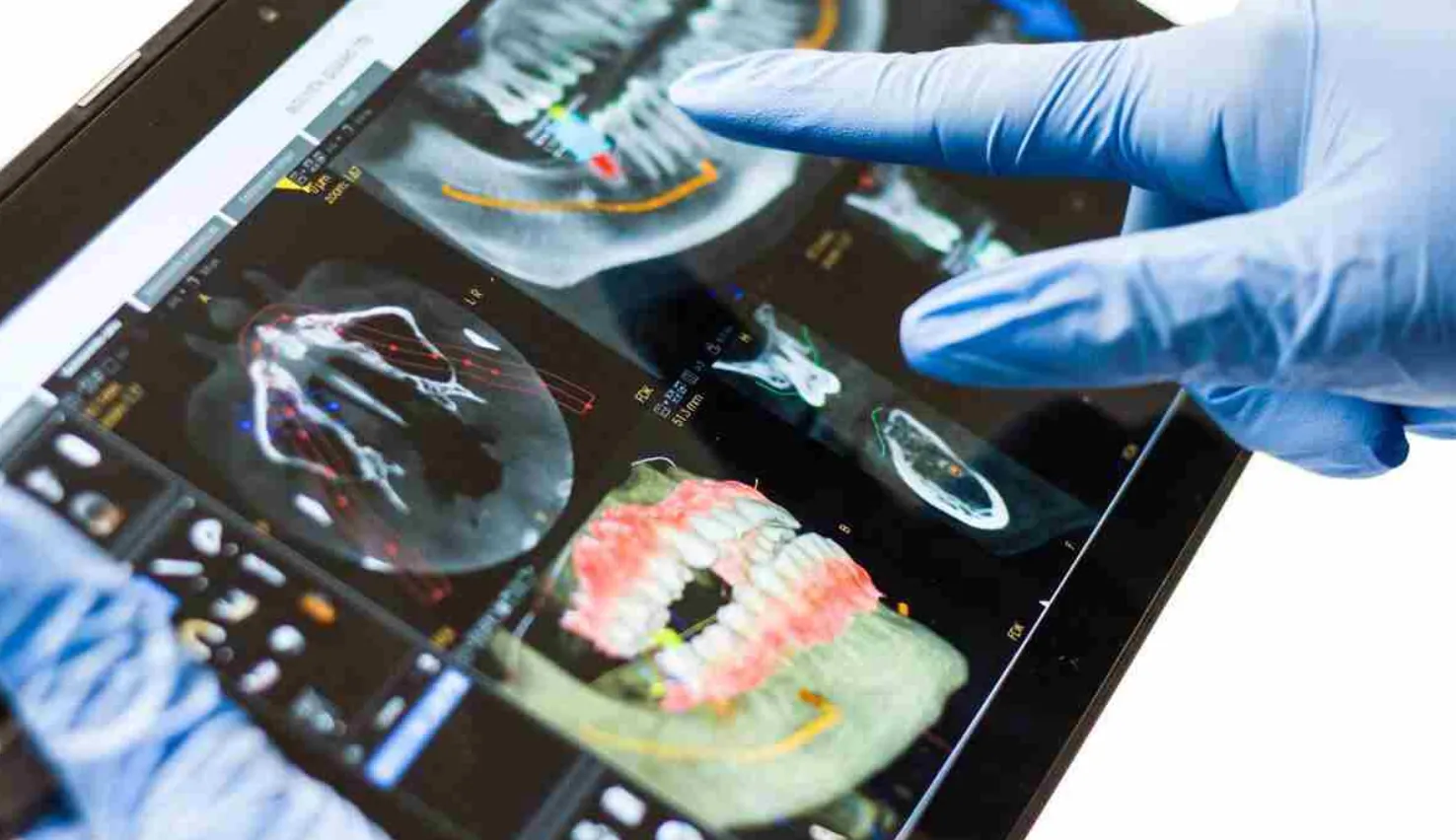
Digital tools now shape almost every step of implant dentistry. You no longer guess about what is happening inside your mouth. You see it. High-quality 3D scans, virtual planning, and guided surgery help your dentist place implants with more control and less risk. You get shorter visits. You feel less stress. You recover with fewer surprises. Today, a dentist in Great Falls can use digital images to plan your implant before touching a tooth. Then the team can print custom guides and crowns that fit your bite from the start. You gain clear answers to hard questions about cost, options, and healing. You also gain a record of your mouth that makes future care easier. This blog explains how these tools work, what you can expect, and how digital planning can protect your health.
What “digital” means for your implant
Digital implant care uses computers to collect, store, and use images and measurements of your mouth. Instead of guessing based on flat X-rays, your dentist builds a three-dimensional picture of your teeth, bone, gums, and nerves.
Common tools include:
- 3D cone beam CT scans that show bone and nerves in your jaw
- Intraoral scanners that create a digital model of your teeth without trays
- Planning software that lets your dentist place an implant on a screen first
- 3D printers that make guides and temporary teeth from that plan
Each tool gives your dentist clearer information. You then get a plan that matches your body instead of a guess based on averages.
From old methods to digital care
Older implant methods relied on two-dimensional X-rays and physical molds. That process felt long and messy. It also left more room for error.
Traditional vs digital implant care
| Step | Traditional method | Digital method |
|---|---|---|
| Impressions | Putty trays that can trigger gagging | Small camera scans teeth in minutes |
| Planning | Flat X rays and guesswork | 3D CT scan with full jaw view |
| Implant placement | Freehand drilling by eye | Custom guide controls angle and depth |
| Temporary tooth | Lab makes it after surgery | Designed before surgery using software |
| Records | Paper charts and film X rays | Digital files stored and shared as needed |
This shift is not a trend. It is a response to strong evidence that better imaging and guides reduce risk and improve planning. The National Institute of Dental and Craniofacial Research explains how loss of teeth affects eating and health, and why stable replacement matters for your daily life. You can read more at this NIDCR resource on tooth loss.
Step by step digital implant journey
Your experience with digital implant care usually follows three simple steps.
1. Digital exam and 3D scan
First, your dentist reviews your health and takes digital pictures of your mouth. Then you receive a cone beam CT scan that shows your jaw from many angles. This scan uses a focused beam and often uses less radiation than several standard dental X-rays. The U.S. Food and Drug Administration shares guidance on dental X-rays and safety at this FDA dental X-ray page.
With these images, your dentist can:
- Measure bone height and width in exact numbers
- Locate nerves and sinuses that must stay safe
- Check for hidden infection or cysts
You see these pictures on a screen. You can ask questions and see what the dentist sees. That can ease fear and build trust.
2. Virtual planning and guide design
Next, your dentist uses software to plan the implant on the computer. The program lets the dentist choose the size and position of the implant. It also shows how the crown will meet your other teeth.
From this plan, the team can design a plastic guide that fits over your teeth or gums. This guide has a channel that controls the drill angle and depth. It acts like a stencil for surgery. It protects nerves and sinuses and keeps the implant in the planned spot.
3. Guided surgery and digital crown
On the day of surgery, the guide goes into your mouth. The dentist follows the plan that you already saw. This can shorten the time in the chair. It can also reduce the need for extra cuts in the gum.
Because your tooth shape is already scanned, the lab or in-office system can design a crown that fits the implant and your bite. Some offices can mill or print a temporary tooth on the same day. Others send the design to a lab for quick return.
How digital tools protect your health
Digital implant dentistry does more than make things look modern. It protects your body and your peace of mind.
You gain:
- Lower risk of nerve injury because the scan shows nerve paths
- Better bone use because the implant can follow the strongest spots
- Less guesswork about healing because records track changes over time
Digital records also help if you move or see another provider. Your new dentist can view your scans and plans. That makes future care safer and faster.
Comfort for you and your family
Family members often carry worry when someone needs an implant. They fear pain, long visits, and poor results. Digital tools help calm those fears.
They do this by:
- Reducing gagging since scanners avoid messy trays
- Shortening visits through faster planning and fewer remakes
- Providing clear pictures that help explain each step to children and adults
When you see a 3D model of your own jaw, the process feels less mysterious. You know where the implant goes. You see how the tooth will look. That sense of control can replace fear with steady focus.
Questions to ask your dentist
You have the right to ask clear questions about the digital tools used for your implant. You can ask:
- Will you use a cone beam CT scan to plan my implant
- Will you use a surgical guide based on that scan
- How will you store and protect my digital records
- Can you show me the plan on the screen before surgery
- How many implants have you planned with this software
Direct questions help you judge if the office uses digital tools in a safe and thoughtful way, not just for show.
Taking your next step
Digital technology has changed implant dentistry from guesswork to guided care. You now have sharper images, stronger planning, and more control over each step. You also have more power to ask for clear proof and honest answers.
If you face tooth loss or already use a loose denture, you can ask about digital options for implants. You can bring a loved one to see the images and hear the plan. You can demand care that respects your body, your time, and your trust.
