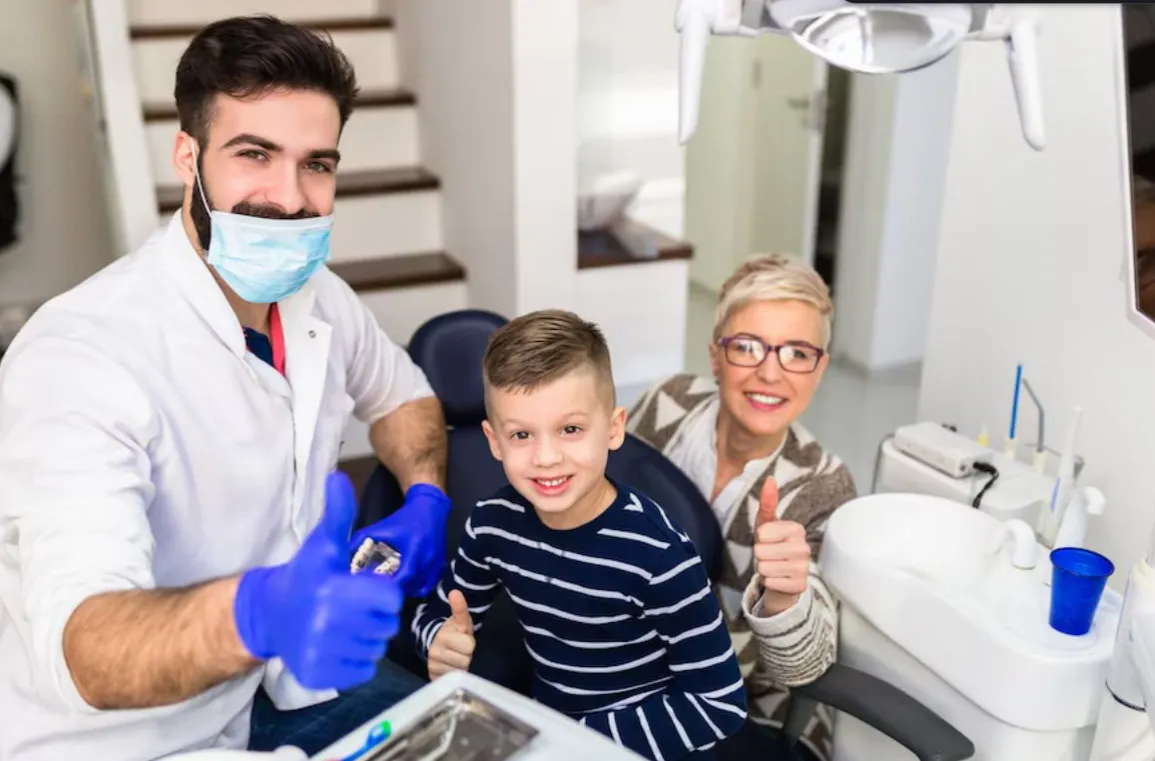
Your mouth affects how you eat, speak, and feel about yourself. At home, you shape most of that care each day. A family dentist in Grand Valley, ON helps you learn what to do and when to do it. You get clear steps, not guesswork. You learn how to brush, how to clean between teeth, and how to spot early warning signs of trouble. You also learn what to teach your children, so they grow up with steady habits. Every visit becomes a quick class for your whole household. You ask questions. You get straight answers. You leave with simple tools you can use that same night. Over time, these small lessons protect you from pain, cost, and fear. This blog explains how your family dentist can guide your daily routine, support your children, and give you control over your oral health at home.
Why home oral care matters every single day
You spend only a few hours a year in a dental office. You spend thousands of hours at home. That is where decay starts. That is also where you can stop it.
Daily care does three key things. It removes sticky plaque. It stops early gum swelling. It keeps teeth strong with fluoride. Without that care, small problems grow into deep cavities, infections, and tooth loss.
You do not need complex tools. You need clear habits and steady effort. Your family dentist gives you both.
How your family dentist becomes your coach
A family dentist does more than fix teeth. The dentist acts as a coach for your home routine. You get simple steps, clear reasons, and honest feedback.
Your dentist and team can
- Watch how you brush and floss and then correct your hand movements
- Explain where you miss spots and show you those spots in a mirror
- Suggest brushes, floss, or other tools that fit your mouth and your budget
The focus stays on what you can change at home that same day. You leave each visit with three things. You know what to keep doing. You know what to change. You know why it matters.
Teaching your children strong habits early
Children learn by watching you. They also learn from calm, clear messages from a trusted adult. A family dentist uses short, simple words and shows each step.
In a child visit, the dentist may
- Show brushing on a model and then ask your child to copy the motion
- Count teeth out loud so the child connects numbers with each tooth
- Use disclosing tablets that color plaque so your child sees missed spots
You get guidance on three stages of care. You first clean your child’s teeth for them. You then share the task. You later supervise from a short distance. This shared plan keeps your child safe from early decay and builds pride in self-care.
The Centers for Disease Control and Prevention explains how common tooth decay is in children and why home care is so important.
Clear home routines your dentist may teach
Your dentist helps you shape three daily habits.
- Morning care. Brush for two minutes with fluoride toothpaste. Clean your tongue. Rinse if your dentist advises it.
- Night care. Floss or use another tool between teeth. Brush again. Avoid food or drink with sugar after you clean.
- Smart snacking. Limit sweet drinks. Keep water close. Choose snacks that do not stick to teeth.
Your dentist can tailor each step for braces, dentures, implants, dry mouth, or health conditions. You get a plan that fits your life, not a one-size-fits-all chart on a wall.
Sample home care plan by age group
The table below shows example guidance that a family dentist may review with you. Your own plan may differ based on your mouth and health.
| Age group | Brushing routine | Between teeth cleaning | Parent role |
|---|---|---|---|
| 0 to 3 years | Wipe gums. Brush twice a day with a smear of fluoride paste when teeth appear. | Not needed unless the dentist advises. | Do all cleaning. Control the toothpaste amount. |
| 4 to 6 years | Brush twice a day with a pea-sized amount of fluoride paste. | Start flossing where teeth touch. | Brush and floss for the child or hand over while still guiding. |
| 7 to 12 years | Brush twice daily for two minutes. | Floss once daily or use other tools if the dentist suggests. | Supervise. Check for missed spots and remind as needed. |
| Teens and adults | Brush twice daily for two minutes with fluoride paste. | Clean between teeth once daily. | Model good habits. Support and encourage routine. |
Using science based guidance at home
Family dentists follow current science, not trends. That keeps your home routine safe and effective. For example, the American Dental Association explains how fluoride protects teeth, how often to brush, and why flossing matters.
Your dentist can translate this science into plain steps. You hear which products have enough fluoride. You learn how long to wait after acidic drinks before brushing. You gain facts, not myths, from social media.
Turning each visit into a teaching moment
You can use three simple moves at every visit.
- Ask the hygienist where you miss plaque and which teeth need extra time at home.
- Request a quick review of brushing and flossing so you can fix your motion.
- Write down one change to try that night and one change for your child.
This steady loop of questions and action turns routine checkups into training. Small changes add up. Your home care becomes sharp, steady, and strong.
Taking control of your family’s oral health
You do not need special skills to protect your mouth. You need clear teaching, a short daily routine, and support for your children. A family dentist gives you all three.
You can start at your next visit. Ask for a simple home plan. Practice what you learn that same night. Then repeat. Over time, you cut down on pain, surprise bills, and fear. You gain calm control over your oral health at home.
