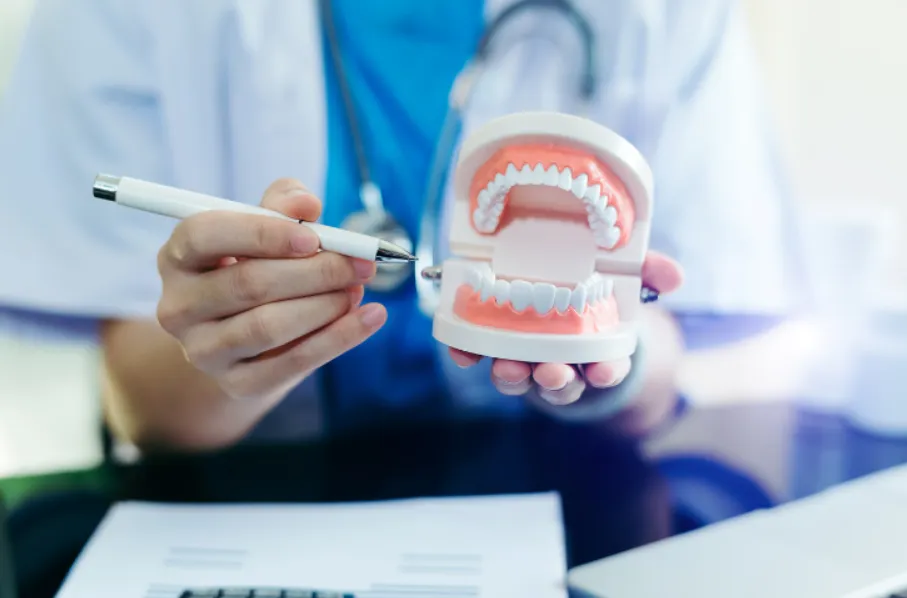
Preventive dentistry protects your mouth, your body, and your peace of mind. You may think cleanings and checkups only keep teeth from hurting. They do much more. Regular visits help your dentist spot silent problems early. Small cavities. Gum infection. Signs of teeth grinding. Even warning signs of diabetes or heart strain. Early care costs less money and time than emergency treatment. It also lowers the risk of sudden pain that can stop you from working, caring for family, or sleeping. A Reno dentist can also track changes in your jaw, tongue, and throat that may point to sleep apnea or oral cancer. These checks protect how you eat, speak, and smile. They also protect how you feel about yourself. When you choose preventive care, you protect your health, your budget, and your daily life.
Your Mouth Shows Early Warning Signs
Your mouth often shows disease before the rest of your body. Gums bleed. Sores do not heal. Teeth feel loose. You may notice bad breath that will not go away. These signs can point to gum disease, infection, or changes in your immune system.
During a routine exam, your dentist checks more than teeth. You also get a check of:
- Gums and bone
- Tongue and cheeks
- Lips and throat
Early changes can warn about diabetes, anemia, or heart strain. The Centers for Disease Control and Prevention links gum disease with higher risk of heart disease and poor blood sugar control. When you keep your mouth healthy, you lower strain on the rest of your body.
How Prevention Saves Money And Time
Routine care costs less than urgent care. A cleaning and exam once or twice a year might feel like a chore. Yet one missed cavity can grow into deep decay that needs a crown or a root canal. That means more visits, more shots, and higher bills.
Here is a simple comparison of common dental services. Costs are sample ranges from public sources and may vary by location and insurance.
| Type of visit | Typical purpose | Estimated cost range | Time in chair |
|---|---|---|---|
| Routine exam and cleaning | Check for early problems. Remove plaque and tartar. | Low to moderate | 30 to 60 minutes |
| Filling for small cavity | Repair early decay in one tooth. | Moderate | 30 to 45 minutes |
| Root canal and crown | Treat deep infection and rebuild tooth. | High | 1 to 3 visits |
| Emergency extraction | Pull tooth that cannot be saved. | Moderate to high | 45 to 90 minutes |
Prevention steers you toward the first row. You spend less time in the chair. You avoid the shock of a sudden large bill. You also keep your natural teeth, which protects how you chew and speak.
Protection For Children, Adults, And Older Adults
Every family member needs preventive care. The needs change with age, but the goal stays the same. Stop small problems before they grow.
- Children. Regular cleanings, fluoride, and sealants cut the risk of cavities. The National Institute of Dental and Craniofacial Research reports that children with untreated decay often miss school and have trouble eating and sleeping.
- Adults. Work, stress, and family duties can push dental visits down the list. Yet this is when gum disease often starts. Grinding and clenching also rise. Routine checks protect teeth, jaw joints, and sleep.
- Older adults. Medications can dry the mouth. Dry mouth raises the risk of cavities and infection. Regular exams help manage these changes and protect dentures, bridges, and implants.
When everyone in your home gets routine care, you cut the risk of sudden pain and missed school or work. You also set a clear message that health matters.
Links Between Oral Health And Whole Body Health
Your mouth is not separate from the rest of your body. Bacteria from gum disease can enter the bloodstream. That can strain the heart and blood vessels. Chronic infection also stresses the immune system.
Research ties poor oral health to:
- Heart disease and stroke
- Diabetes complications
- Pregnancy problems such as low birth weight
- Worsened lung disease in some patients
By brushing, flossing, and seeing your dentist, you reduce these hidden threats. You also protect your ability to eat a steady diet. Good chewing supports better food choices. That supports weight control and blood sugar control.
Emotional And Social Protection
Tooth pain drains energy. Bleeding gums cause shame. Missing or broken teeth can make you hide your smile or avoid talking. That can hurt school performance, job prospects, and close relationships.
Preventive dentistry helps you protect:
- Your comfort. You feel less pain and sensitivity.
- Your speech. You shape words clearly.
- Your confidence. You feel less fear when you smile or eat in public.
For children, this protection is sharp. A child who can smile and talk without pain is more likely to join class, answer questions, and build strong peer bonds.
Simple Daily Steps That Strengthen Prevention
Office visits work best when you match them with home care. Three daily steps form a strong base.
- Brush two times each day with fluoride toothpaste. Aim for two minutes each time.
- Clean between teeth once each day. Use floss or another tool your dentist suggests.
- Limit sugary drinks and snacks. Sip water between meals.
Then add regular visits. Most people need an exam and cleaning every six months. Some need them more often. Your dentist will guide you based on your mouth, your health history, and your habits.
When To Call The Dentist Sooner
Do not wait for your next routine visit if you notice warning signs. Call sooner if you have:
- Tooth pain that lasts more than one day
- Gums that bleed often or feel swollen
- Loose teeth or changes in how your bite feels
- Sores in your mouth that do not heal within two weeks
- Numbness in your tongue, lips, or jaw
- New trouble chewing or swallowing
Early calls protect you from crisis visits. They also give your dentist a better chance to save teeth and control infection.
Protecting More Than Teeth
Preventive dentistry is not only about clean teeth. It shields your body from disease. It protects your wallet from sudden strain. It guards your sense of safety and self respect.
When you keep up with exams, cleanings, and home care, you make a strong choice. You protect your health, your time, and your family. You also give your future self less pain and more freedom.
