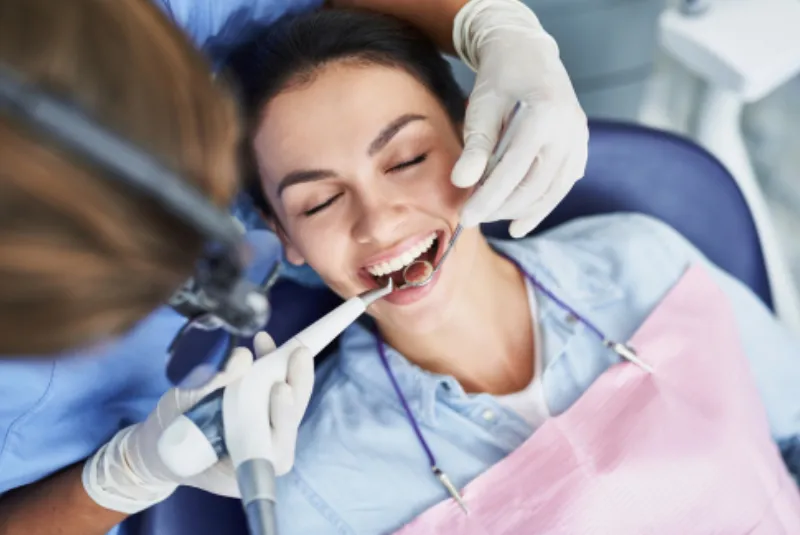
You want to avoid painful, expensive dental work. Preventive dentistry helps you do that. Regular checkups, cleanings, and simple treatments protect your teeth before damage grows. You catch tiny cavities early. You remove hard plaque that brushing at home cannot reach. You spot gum disease before it destroys bone. As a result, you lower your risk of root canals, crowns, extractions, and dentures. You also protect your health. Poor oral health is linked to heart disease and diabetes. When you see a family dentist in Waseca, MN, you build a steady routine. You get clear advice. You gain control instead of waiting for a crisis. This blog explains how prevention works, what visits include, and which daily habits matter most. You will see how small steps now reduce fear, pain, and cost later. You deserve a calm, predictable path for your mouth and your body.
How Prevention Protects Your Teeth
Tooth decay and gum disease build up over time. You often feel nothing until damage runs deep. Preventive care interrupts that slow damage at three points.
- You remove plaque and tartar before they break down enamel.
- You repair small weak spots with simple treatments.
- You change daily habits that feed bacteria.
According to the Centers for Disease Control and Prevention, tooth decay is one of the most common chronic conditions in children and adults. Yet it is also highly preventable. Regular care keeps that risk low. You rely less on fillings, crowns, and implants. You spend more time keeping teeth healthy and less time fixing damage.
What Happens During a Preventive Visit
Every visit has a clear purpose. You and your dentist work as a team. A typical preventive visit includes three main steps.
- Exam. Your dentist checks your teeth, gums, tongue, and jaw. You learn where you stand.
- Cleaning. The hygienist removes plaque and tartar. Teeth feel smooth and clean.
- Planning. You review brushing, flossing, and any needed treatments.
Sometimes you also get X-rays. These images show decay between teeth and bone loss under the gums. The National Institute of Dental and Craniofacial Research explains that early decay often has no pain. X-rays and exams find it before it reaches the nerve. That single step can prevent root canals and extractions.
Common Preventive Treatments
Some treatments are quick. They feel simple now, yet protect you for years.
- Fluoride. Strengthens enamel. Helps reverse early decay.
- Sealants. Thin coatings on back teeth. Block food and bacteria from deep grooves.
- Polishing. Smooths tooth surfaces. Makes it harder for plaque to stick.
- Gum care. Deeper cleanings if gums bleed or pull away.
Each one lowers the chance that a small problem turns into a major procedure. You trade urgent visits for quick planned visits.
Prevention vs Major Procedures
You may wonder if preventive visits are worth the time and cost. A simple comparison helps you see the difference.
| Type of Care | Typical Frequency | Time in Chair | Common Cost Range* | Comfort Level |
|---|---|---|---|---|
| Checkup and cleaning | Every 6 months | 45 to 60 minutes | Low | Mild |
| Fluoride or sealants | Yearly or as advised | 10 to 30 minutes | Low | Mild |
| Filling | As needed | 30 to 60 minutes | Medium | Moderate |
| Root canal and crown | As needed | 1 to 3 visits | High | Moderate to strong |
| Extraction and implant | As needed | Several visits | Very high | Strong |
*Costs vary by office and insurance. The pattern stays the same. Prevention costs less than repair.
Health Risks You Can Avoid
Mouth problems do not stay in the mouth. Ongoing gum disease can affect blood sugar control. It can strain your heart. Infection from a tooth can spread. That can threaten your life. Preventive care reduces these risks.
When you keep your gums healthy, you lower swelling in your body. When you stop decay early, you avoid severe pain and infection. You also protect how you speak, chew, and smile. That protects your confidence at school, work, and home.
Daily Habits That Support Prevention
Your dentist sees you a few times a year. You see your teeth every day. Three daily habits give you strong control.
- Brush twice a day with fluoride toothpaste. Spend two minutes each time.
- Floss once a day. Clean between every tooth.
- Limit sugary snacks and drinks. Drink water often.
These steps sound simple. They protect you from many fillings and crowns. They also make your cleanings faster and easier. Your mouth feels fresh. Your breath improves. You feel less shame and more control.
How Often You Should Schedule Visits
Most people need a checkup and cleaning every six months. Some need more frequent visits if they have gum disease, many fillings, or medical conditions. Your dentist will guide you. You do not need to guess.
If you have not seen a dentist in over a year, schedule now. You do not need to wait for pain. You can start fresh. You can ask questions. You can set a simple plan that fits your life and your budget.
Taking the Next Step
Preventive dentistry gives you a choice. You can choose care while problems are small. You can choose calm visits instead of emergencies. You can choose to keep your own teeth strong as you age.
Start with one step. Call for a checkup. Mark your next visit on the calendar before you leave the office. Keep a toothbrush and floss where you will see them. Each small choice protects you from major procedures. Each visit moves you toward a steady, secure smile.
