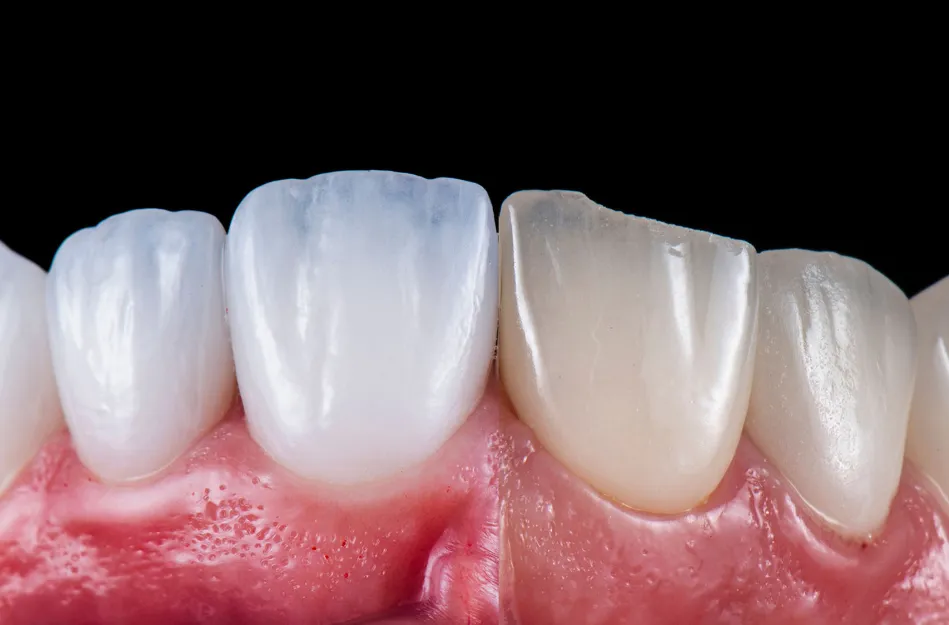
Your smile shapes how people see you. It also shapes how you see yourself. Cosmetic dentists know this, so they do not just whiten teeth or fix chips. They study proportion, symmetry, and harmony. They look at how each tooth fits your face, your lips, and your natural bite. Then they plan treatment that respects your unique features. This is not about chasing perfection. It is about restoring balance so your smile looks natural and feels strong. In Boston cosmetic dentistry, you see this careful focus every day. Dentists measure tiny details that you might miss. They adjust shapes, lengths, and spacing so your teeth match your face and age. You may think these changes are small. They are not. They can steady your confidence at work, at home, and in every photo.
What Proportion Means For Your Smile
Proportion is the size relationship between your teeth, gums, and face. When these parts match, your smile looks calm and steady. When they do not match, your smile can look crowded or weak, even if every tooth is healthy.
Cosmetic dentists often use simple guides. One common guide is that the front two teeth look slightly wider than the teeth next to them. Another guide is that your teeth should follow the curve of your lower lip when you smile. These are not strict rules. They are starting points that help shape a plan that fits you.
The goal is clear. Each tooth should support the whole smile. No tooth should steal the focus. No tooth should fade away. Proportion keeps the balance.
Why Symmetry Matters To Your Brain
Symmetry means the left and right sides of your smile match. Your brain reacts to symmetry in a strong way. You notice it fast, even when you think you do not. Research on faces shows that people often see symmetric faces as healthier and more trustworthy.
Perfect symmetry in nature is rare. Your dentist does not chase perfect lines. Instead, you get what many call “soft symmetry.” The front teeth mirror each other in shape and height. The gum line looks even. The midline between your front teeth lines up close to the center of your face.
Small shifts can change how people read your face. A tilted tooth or uneven gum line can pull attention and stir quiet worry. Correcting that tilt or evening that gum line can calm that worry. You may feel less tense when you smile or speak.
How Harmony Brings Everything Together
Harmony is how your teeth, gums, lips, and face work as one. It also includes how your teeth meet when you bite. A smile can look bright and straight yet still feel wrong if your bite does not work well. That can lead to worn teeth or jaw pain over time.
To create harmony, cosmetic dentists look at three things.
- Your face shape
- Your natural tooth color and thickness
- Your speech patterns and bite
Treatments then match these facts. A long, narrow face often looks better with slightly wider teeth. A round face often looks better with slightly longer teeth. Strong harmony makes your smile look like you were born with it, even after many changes.
Common Cosmetic Options And What They Change
Different treatments touch proportion, symmetry, and harmony in specific ways. The table below shows simple examples.
| Treatment | Main Purpose | Effect On Proportion | Effect On Symmetry | Effect On Harmony |
|---|---|---|---|---|
| Teeth whitening | Lighten stained teeth | No change in size | Can even color on both sides | Matches tooth shade with skin tone and eye color |
| Bonding | Repair chips or gaps | Builds tooth edges to correct length | Makes left and right teeth match shape | Smooths bite and speech |
| Veneers | Reshape and recolor front teeth | Resets width and height of teeth | Creates matched fronts on both sides | Aligns smile line with lips and face |
| Orthodontics (braces or aligners) | Straighten teeth | Repositions teeth without changing size | Centers midline and evens spacing | Improves bite function and jaw balance |
| Gum contouring | Reshape gum line | Exposes more or less tooth surface | Levels gums from left to right | Reduces “gummy” or uneven smile |
Health Always Comes First
Cosmetic changes rest on healthy teeth and gums. You need clean, strong, stable teeth before you change shape or color. The National Institute of Dental and Craniofacial Research explains that gum disease can lead to tooth loss and pain. So your dentist will first treat decay, infection, or gum swelling.
Healthy structure gives cosmetic work a longer life. A strong foundation supports crowns, veneers, and bonding. It cuts the chance of fractures and retreatment.
Emotional Effects On You And Your Family
A balanced smile touches more than your mouth. It can change how you show up in daily life. You may stop hiding your teeth in photos. You may speak up more in class, at work, or in social settings. That can change how your children see their own smiles and their own worth.
The Centers for Disease Control and Prevention notes that oral health links to work success and school performance. When you feel secure about your teeth, you tend to show up more, miss fewer days, and stay engaged.
How To Talk With Your Dentist About Your Smile
Clear talk with your dentist keeps you in control. Before treatment, you can:
- Bring photos of your current smile and smiles you like
- Point out teeth that feel “too big,” “too small,” or “crooked”
- Share if you avoid photos or hide your teeth when you laugh
Then you and your dentist can review a plan that respects proportion, symmetry, and harmony. That plan should feel honest. It should fit your health, your budget, and your daily life.
Cosmetic work is not about chasing someone else’s face. It is about giving your natural smile a fair chance. With the right balance, your teeth can support your health, your speech, and your quiet sense of strength for many years.
