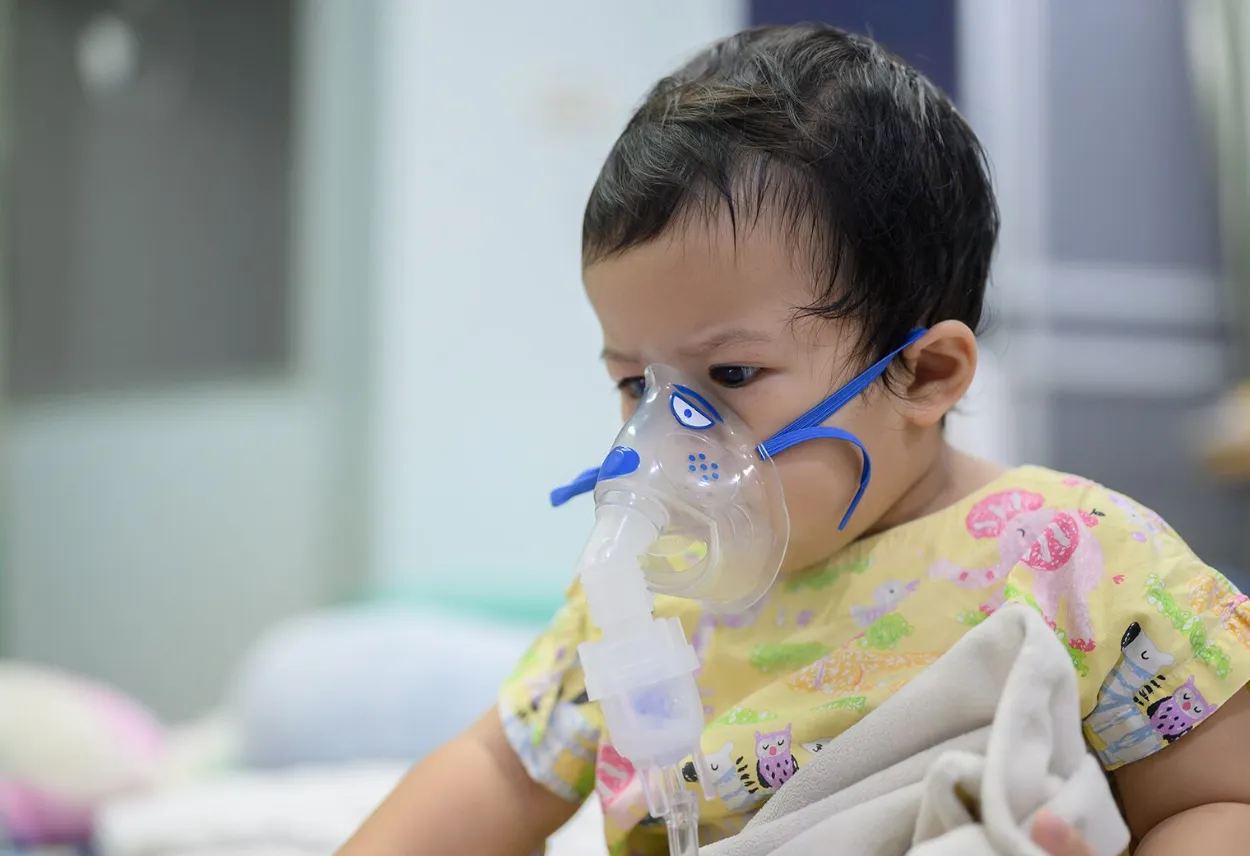
When your child struggles to breathe, every moment feels long and sharp. You watch each inhale. You count each exhale. You want clear help at home, not more confusion. This blog explains how respiratory support at home can steady your child’s breathing and your own fear. You will see what to expect from oxygen support, airway care, and monitoring. You will learn who is on your child’s care team and what you can do each day. You will also understand how pediatric home care in Aston, PA can bring hospital level support into your living room. No parent should feel alone with a coughing child at 2 a.m. You deserve simple steps, clear plans, and fast answers. You can build that support at home.
Understanding your child’s breathing needs
First, you need a clear picture of your child’s condition. Ask the care team to explain the diagnosis in plain words. Ask what is happening in the lungs. Ask what could trigger worse breathing. You can write down the top three warning signs and place the list on your fridge.
Common reasons for home respiratory support include:
- Premature birth with weak lungs
- Chronic lung disease
- Neuromuscular conditions that weaken chest muscles
- Severe asthma
- Sleep related breathing problems
The American Lung Association offers clear guides for many of these conditions at https://www.lung.org/lung-health-diseases.
Types of respiratory support at home
Your child’s plan might use one or more tools. Each has a clear purpose. You should know what it does, how it helps, and when to call for help.
Common Home Respiratory Supports and What You Do
| Support | What it does | What you do each day |
|---|---|---|
| Supplemental oxygen | Adds extra oxygen to each breath | Check tubing, set flow rate, watch for skin redness |
| Nasal cannula | Delivers oxygen through soft prongs in the nose | Keep prongs clean, keep nose clear, adjust gentle fit |
| CPAP or BiPAP | Uses air pressure to keep airways open during sleep | Place mask, start machine, clean mask and tubing |
| Tracheostomy care | Supports breathing through a neck opening | Suction as taught, change ties, keep area clean and dry |
| Mechanical ventilator | Helps or fully takes over breathing | Check alarms, confirm settings, keep backup power ready |
| Inhalers or nebulizers | Delivers medicine into the lungs | Use at set times, clean device, track doses |
Safe oxygen use at home
Oxygen can save your child’s life. It can also cause quiet danger if used in an unsafe way. You must treat oxygen with respect and clear rules.
Use three core rules for oxygen safety:
- No smoking in the home or car
- Keep oxygen away from heaters, stoves, and candles
- Store tanks upright in a stable corner
You should learn how to check the flow meter. You should know your child’s target oxygen range. You can ask the team to write this in large print. You can also review basic oxygen safety through the CDC resources at https://www.cdc.gov/breathing/index.html.
Airway care and suctioning
Some children cannot clear mucus well. Thick mucus can block air. It can trap germs. You may need to help clear the airway.
Common supports include:
- Bulb syringe for infants
- Suction catheter for tracheostomy
- Chest physical therapy with gentle clapping
- Cough assist device for weak cough
Ask the nurse to show each step on your child. Then you repeat the steps while the nurse watches. You practice until your hands feel steady. You can record the teaching with your phone if the team agrees.
Home monitoring and emergency plans
Home monitors can warn you early. They do not replace your eyes. You still know your child best.
Common monitors include:
- Pulse oximeter for oxygen levels
- Apnea monitor for pauses in breathing
- Ventilator alarms for pressure or low volume
You need a simple three step plan for emergencies:
- Recognize trouble. For example fast breathing, blue lips, or low oxygen number.
- Act at home. Follow the rescue steps your team wrote for you.
- Call for help. Call 911 or the on call nurse as directed.
Place this plan in three spots. On the fridge. Near your child’s bed. Inside a go bag for the car.
Your home care team and your rights
You are not alone. A strong home plan uses a team. Your child’s team may include:
- Pulmonologist who guides the full breathing plan
- Pediatrician who tracks growth and vaccines
- Respiratory therapist who supports machines and teaching
- Registered nurse who visits your home
- Social worker who helps with supplies and coverage
You have the right to clear teaching. You have the right to ask for repeat teaching. You have the right to written instructions in your language. You can ask every person, “What are the top three things I must watch for at home?”
Preparing your home and daily routine
You can shape your home so breathing care feels steady and calm. You can start with three steps.
- Create a clean space for machines and supplies
- Keep a daily log of medicines, oxygen levels, and symptoms
- Set alarms on your phone for key treatment times
You can also plan for power outages. You need backup batteries for machines. You need a clear route to a safe place if power fails for a long time.
Caring for your own strength
Watching a child struggle for air can crush your energy. You need support as much as your child does. You can ask family or neighbors to learn basic steps. You can trade short breaks so you can rest, eat, and step outside.
You should tell the medical team if fear or lack of sleep is wearing you down. You can ask about support groups, counseling, or respite care. Strong parents protect children. Supported parents stay strong longer.
Moving forward with confidence
Home respiratory support can feel heavy at first. Over time, your hands learn the steps. Your mind learns the patterns. Your child can breathe more easily in a place that feels safe. With clear teaching, simple tools, and a steady plan, you can turn a frightening task into daily care that protects your child’s life.
