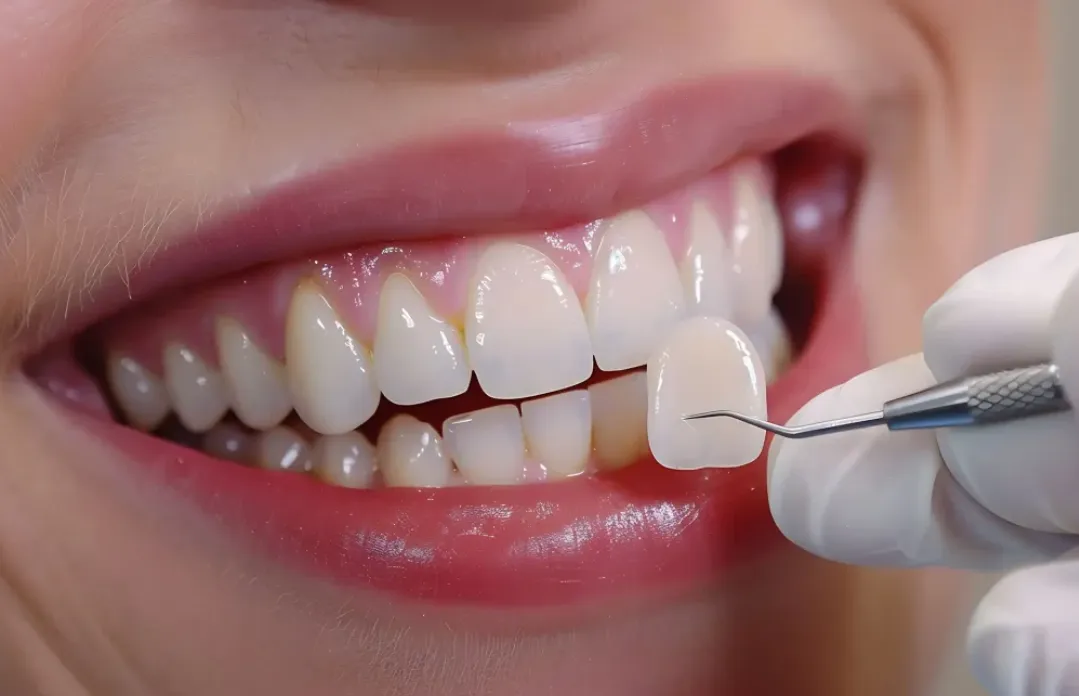
Veneers and crowns can protect your teeth for many years. Yet without steady preventive care, they can fail much sooner than you expect. Small chips, hidden decay, and gum disease often start quietly. They then grow into painful problems that threaten your dental work and your health. Preventive dentistry stops that pattern. You focus on cleanings, exams, and simple daily habits that keep veneers and crowns strong. You also catch issues when they are still small and easy to fix. An Avon cosmetic dentist uses these visits to check the fit of your restorations, your bite, and your gums. That close attention helps you avoid sudden fractures, dark lines near the gums, and early replacement costs. This guide explains how regular care, smart home routines, and early treatment protect your smile and stretch the life of every veneer and crown.
Why Veneers And Crowns Need Extra Care
Veneers and crowns do not decay. Your natural tooth under and around them still does. Bacteria sit at the edges where tooth and material meet. That edge is the weak point.
Without care, three problems grow fast.
- Decay at the margin that creeps under the veneer or crown
- Gum disease that causes bleeding and bone loss
- Cracks from grinding or biting on hard foods
Once decay or cracks reach a certain point, repair is no longer possible. You then need a new veneer or crown. That means more drilling, more time, and higher cost. Preventive care keeps that damage from reaching the breaking point.
How Long Veneers And Crowns Last With And Without Prevention
Study results vary, yet they show a clear pattern. Daily home care and regular cleanings extend the life of restorations. Lack of care shortens it.
Typical longevity of veneers and crowns with and without strong preventive care
| Restoration type | Strong preventive care | Poor preventive care |
|---|---|---|
| Porcelain veneers | 10 to 15 years or more | 3 to 7 years |
| Porcelain or ceramic crowns | 15 to 20 years or more | 5 to 10 years |
| Metal or porcelain fused to metal crowns | 15 to 25 years or more | 7 to 12 years |
These ranges reflect real results when people brush, clean between teeth, and keep routine visits. They also show what happens when plaque sits at the gumline for years.
The Core Pillars Of Preventive Dentistry For Veneers And Crowns
Three habits protect veneers and crowns.
- Daily cleaning at home
- Regular professional visits
- Early action when you notice changes
Daily Home Care That Protects Veneers And Crowns
You control the first line of defense. Your routine should be simple and steady.
- Brush twice a day. Use a soft brush and fluoride toothpaste. Focus on the gumline around each veneer and crown. Use small, gentle circles.
- Clean between teeth once a day. Use floss or small brushes. Slide gently under the contact and curve around the tooth. Pay close attention to the edges of crowns.
- Use fluoride. Fluoride helps protect the natural tooth next to the veneer or crown. The CDC explains how fluoride lowers decay rates in both children and adults.
- Limit sugar and frequent snacking. Each snack feeds bacteria and increases acid attacks on the tooth near the margins.
- Avoid chewing on ice or hard objects. These habits chip porcelain and crack crowns.
These steps look small. Together, they form a shield that works every single day.
Professional Cleanings And Exams
Routine visits do more than clean stains. Your dentist and hygienist study the health of your veneers, crowns, and gums.
During each visit, you can expect three key checks.
- Margin check. They look for gaps, rough edges, or dark lines at the edges. Early margin problems often mean simple repair. Late margin problems mean full replacement.
- Gum and bone check. They measure gum pockets around each tooth. The National Institute of Dental and Craniofacial Research describes how gum disease threatens teeth and restorations.
- Bite and wear check. They watch how your teeth meet. Uneven bite forces chip porcelain and loosen crowns.
Professional cleanings remove hardened plaque that you cannot reach at home. That cleaning slows decay at the edges and calms gum swelling.
Night Guards And Protection From Grinding
Many people clench or grind during sleep. The pressure can exceed what veneers and crowns can handle. The result is often sudden fracture or slow wear of the porcelain.
A custom night guard spreads and softens these forces. It protects both natural teeth and restorations. You should bring your guard to each visit so your dentist can check the fit and watch for chew marks that show heavy grinding.
Early Warning Signs You Should Never Ignore
Small changes often signal growing trouble under a veneer or crown. Contact your dentist soon if you notice any of the following signs.
- Sensitivity to cold near a veneer or crown
- Bleeding gums when you brush or floss near a restoration
- A rough edge, chip, or change in shape
- A dark shadow near the gumline
- Food catching between teeth where it did not before
- New ache when chewing on one side
Early visits often lead to small fixes that save the veneer or crown. Delay often leads to root canals, extractions, and higher cost.
How Preventive Dentistry Saves Money And Stress
Veneers and crowns are a serious financial choice. Preventive care protects that choice. You spread the benefit across many years instead of paying again and again for repairs.
With strong preventive habits, you gain three things.
- Longer life for each restoration
- Fewer emergencies and sudden fractures
- Lower long-term cost and less time in the chair
Most of the work happens in simple moments at home and in steady visits. With calm, consistent care, you protect both your smile and your peace of mind.
