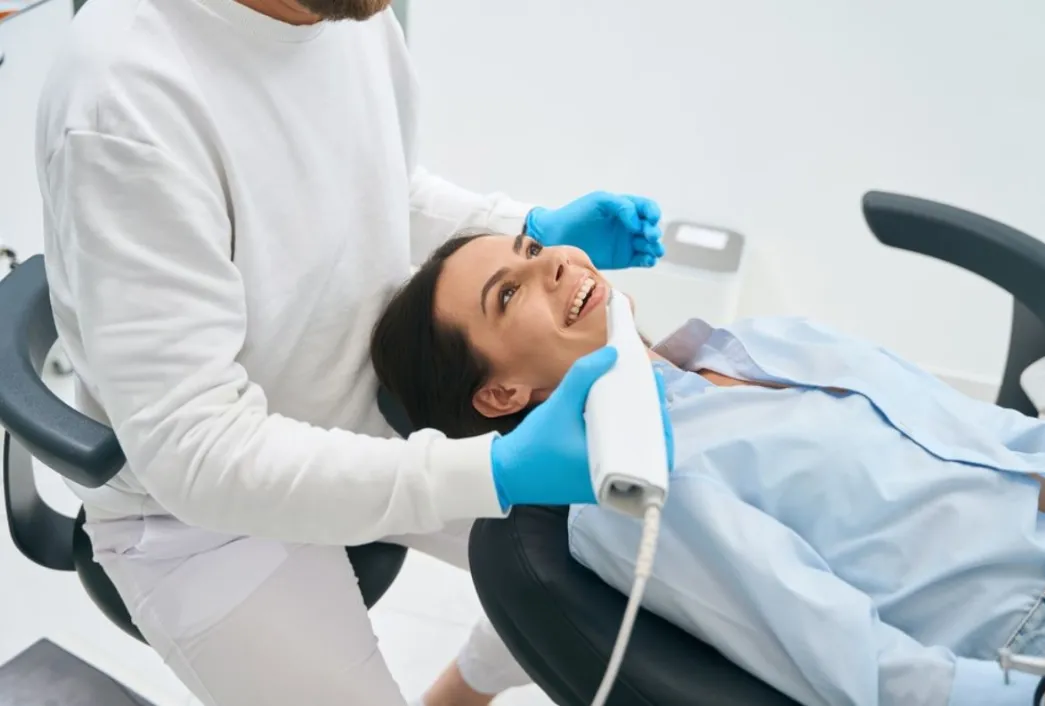
Healthy aging starts in your mouth. Your teeth, gums, and jaw affect how you eat, speak, sleep, and connect with people. When you age, small dental problems can grow fast. A cracked tooth can limit what you eat. Bleeding gums can raise your risk for serious disease. Loose teeth can silence your smile. Family dentistry gives you steady support through each stage of life. Your dentist tracks changes, catches trouble early, and works with your doctor when needed. Regular cleanings, simple X rays, and honest talks about your habits help you keep control. Clear options like Invisalign in Marysville can protect your bite and ease jaw strain, even later in life. Strong teeth help you chew real food. Clean gums lower infection. A stable bite protects your face shape. You deserve care that respects your age and protects your independence.
Why your mouth changes as you age
Aging affects every part of your mouth. Teeth wear down. Gums pull back. Saliva can slow. Medicine, stress, and long term habits all play a role. You may also face memory loss, pain, or trouble using your hands. Each shift can disrupt daily life.
Family dentists watch for three common threats.
- Tooth decay from exposed roots and dry mouth
- Gum disease that damages bone and raises heart and stroke risk
- Tooth loss that weakens chewing and speech
These problems are common. They are not a normal part of aging. With steady care, you can prevent most of them or keep them small.
How family dentistry fits your changing needs
A family dentist sees children, adults, and older adults in one place. That long view gives a clear record of your health. It also builds trust. You do not need to explain your history each time. Your care team already knows your story.
Family dentistry supports healthy aging through three simple steps.
- Routine visits for cleaning and exams
- Early treatment for small problems
- Planning for future changes
During each visit, your dentist can adjust care based on your age, medicines, and goals. The focus stays on function, comfort, and safety.
Key services that support older adults
Many services you know from younger years still matter. They just play a new role as you age.
- Cleanings. Remove plaque and tartar that you cannot reach at home.
- Fluoride and sealants. Protect weak spots and exposed roots.
- Fillings and crowns. Repair chips and cracks before they spread.
- Gum treatment. Reduce swelling, bleeding, and bone loss.
- Tooth replacement. Use implants, bridges, or dentures to restore chewing.
- Aligners and bite care. Ease jaw pain and protect worn teeth.
Your dentist should explain each option in plain words and give clear choices. You stay in control of your mouth and your money.
Daily habits that protect your future
Home care matters as much as office care. Small daily steps protect you from pain and cost.
- Brush twice a day with fluoride toothpaste
- Clean between teeth once a day with floss or small brushes
- Use alcohol free mouth rinse if your dentist suggests it
- Drink water often, especially if you take medicines that dry your mouth
- Limit sugary snacks and drinks
- Do not smoke or vape
The Centers for Disease Control and Prevention reports that gum disease and untreated decay affect many older adults. Simple daily care, plus regular checkups, can break that pattern.
Comparing common options for aging smiles
As you grow older, you may hear about many choices. The table below gives a clear comparison of common options that support eating, comfort, and social life.
| Option | Main purpose | Best for | Key benefits | Possible limits |
|---|---|---|---|---|
| Regular cleanings and exams | Prevent decay and gum disease | All adults, at least twice a year | Catches problems early. Keeps teeth and gums stable. | Needs steady visits and home care. |
| Fluoride and sealants | Protect weak teeth and exposed roots | Adults with root exposure or high decay risk | Lowers new decay. Simple and quick. | Does not fix existing damage. |
| Invisalign or other aligners | Straighten teeth and adjust bite | Adults with crowding or bite strain | Improves chewing and cleaning. Clear and removable. | Needs daily wear. Not right for every bite problem. |
| Implants | Replace single or many missing teeth | Adults with enough bone and good health | Feels close to natural teeth. Protects nearby teeth. | Requires surgery and healing time. |
| Bridges | Fill gaps using nearby teeth | Adults missing one or a few teeth in a row | Fixed in place. Restores chewing and speech. | Uses support from nearby teeth. |
| Dentures | Replace many or all teeth | Adults with widespread tooth loss | Improves appearance and chewing. Lower cost choice. | May move. Needs time to adjust. |
Oral health and whole body health
Your mouth connects to the rest of your body through blood, nerves, and shared habits. Gum disease is linked to heart disease, stroke, and diabetes. Mouth pain can lead to poor eating and weight loss. Tooth loss can reduce speech and social contact.
The National Institute of Dental and Craniofacial Research shows that many older adults live with untreated oral disease. Regular family dental care helps avoid silent harm. It supports clear speech, steady chewing, and secure social ties.
Planning with your dentist and your family
Healthy aging works best when you plan as a team. You, your family, your dentist, and your doctor each bring part of the picture. Simple steps can protect your dignity and safety.
- Share an up-to-date list of medicines at each visit
- Tell your dentist about new health diagnoses
- Ask for written care plans if memory is a concern
- Invite a trusted person to come with you if you want support
- Discuss cost and timing before each treatment
Family dentistry supports you through every season of life. With honest talks, steady visits, and clear choices, you can age with strong teeth, steady chewing, and a smile that still feels like your own.
