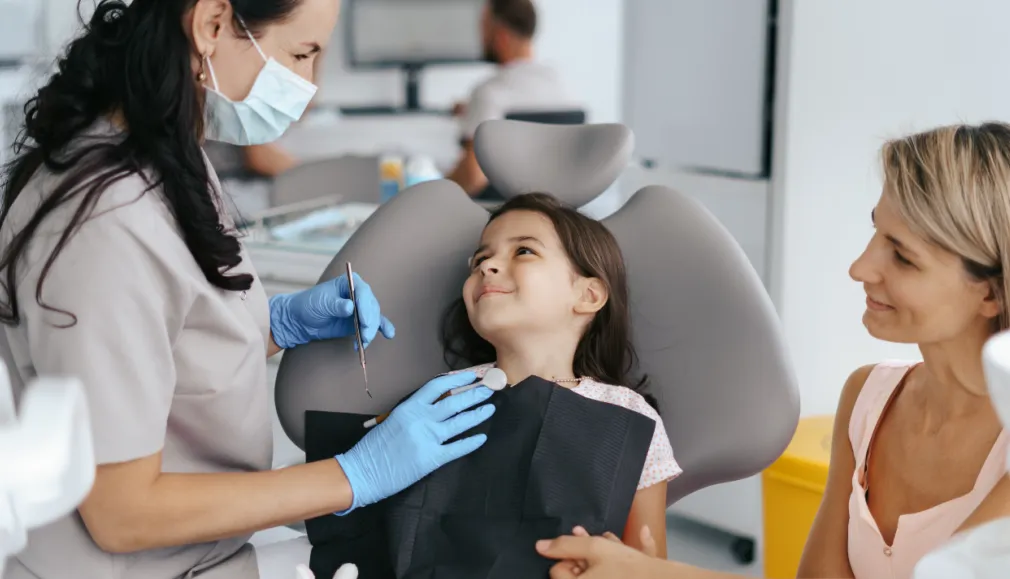
Your child’s smile is still growing. Small changes now can shape that growth in powerful ways. That is why many pediatric dentists urge early orthodontic checks, often by age 7. At this age, baby teeth and permanent teeth share space. This mix can hide crowding, bite problems, or jaw growth issues that you cannot see at home. Early checks do not always mean braces. They give you clear answers. They also give your child a calmer path if treatment is needed later. A Killeen, TX pediatric dentist can spot warning signs before they turn into pain, tooth wear, or teasing from other children. Early action can shorten treatment time. It can also protect speech, chewing, and breathing. This blog explains why timing matters, what to expect at an early orthodontic visit, and how you can protect your child’s future smile with one simple step.
Why age 7 is a key turning point
By age 7, the first permanent molars and front teeth usually appear. This gives the dentist a first clear view of how the jaws and teeth line up. The American Association of Orthodontists advises an orthodontic check by this age.
At this age, the dentist can see three things.
- How the top and bottom teeth meet when your child bites.
- How much space the new teeth have as they come in.
- How the upper and lower jaws are growing in relation to each other.
These early signs show if your child may need help now or only watchful waiting. You get time to plan. Your child gets less rush and less stress.
Problems an early orthodontic check can find
You may not see trouble at home. Your child may chew well and smile with ease. Yet the dentist can see patterns that point to future strain. Common findings include three groups of issues.
- Crowding or spacing. Teeth overlap, twist, or leave wide gaps.
- Bite problems. The top teeth stick out, the lower teeth stick out, or the front teeth do not touch.
- Jaw growth concerns. One jaw grows faster or in a different direction than the other.
Some signs show in your child’s habits.
- Thumb or finger sucking that continues past age 4.
- Mouth breathing much of the day or night.
- Frequent biting of cheeks or lips.
- Difficulty chewing or clear speech problems linked to tooth position.
When you catch these patterns early, you can often use simple tools to guide growth. That can prevent more intense treatment later.
Early evaluation versus waiting: a simple comparison
| Question | Early evaluation by age 7 | First check in teen years |
|---|---|---|
| Chance to guide jaw growth | Higher. The jaws are still very responsive. | Lower. Growth is close to complete. |
| Typical length of later treatment | Often shorter with fewer steps. | Often longer. Problems are more set. |
| Need for tooth removal | May be reduced due to better space planning. | May increase if crowding is severe. |
| Impact on speech, chewing, breathing | Problems can be eased before they deepen. | Existing habits can be harder to change. |
| Emotional strain for your child | Often less. Treatment steps are spread out. | Often more. Many changes at once. |
This comparison shows a clear pattern. Early knowledge gives you more choices. Waiting narrows your options.
What happens during an early orthodontic visit
The visit is calm and simple. Your child stays in control. The dentist or orthodontist will usually do three main steps.
- Talk and history. You share your child’s habits, past tooth injuries, and any concerns.
- Exam. The provider checks how your child bites, breathes, and moves the jaw. They look at wear on teeth and gum health.
- Pictures and X rays. These show tooth roots and jaw growth. They also show teeth that have not come in yet.
After these steps, you get a clear plan.
- No treatment now. The dentist will monitor growth at regular checkups.
- Early treatment. This may include simple appliances or habit guides.
- Referral to an orthodontist for closer review.
The goal is not to rush your child into braces. The goal is to protect choices for the future.
How early action can protect daily life
Teeth do more than fill a smile. They help your child eat, speak, and rest. When teeth or jaws are out of line, daily tasks can turn into quiet battles.
Early orthodontic checks can help your child in at least three ways.
- Eating. A better bite lets your child chew food more fully. That can lower the risk of stomach upset.
- Speech. Teeth that line up well support clear sounds. That can help in class and in social moments.
- Sleep. Jaw and airway growth are linked to breathing. Some children with narrow jaws may snore or wake often.
Guiding growth early can ease these strains. This supports both health and school success. More details on children’s oral health and learning are available from the Centers for Disease Control and Prevention.
How you can prepare your child
You can turn the first orthodontic visit into a calm routine step. You can try three simple actions.
- Use plain words. The dentist will count teeth, take pictures, and check how the teeth fit.
- Practice at home. Play “open wide” for a few seconds so your child knows the feeling.
- Stay steady. Children read your mood. If you stay calm, they are more likely to feel safe.
You can also bring a comfort item such as a small toy or book. You can ask questions in front of your child so they see that you trust the provider.
Taking the next step
An early orthodontic check is a small visit with a large impact. It gives you clear facts about your child’s growth. It also gives your child a better chance at a strong bite and a confident smile.
You do not need to wait for pain or visible twisting of teeth. You can talk with your child’s pediatric dentist now about the right time for an orthodontic review. With early checks, you give your child something quiet yet powerful. You give comfort, function, and steady support for the years ahead.
