When you lose a tooth, you lose more than a smile. You lose strength when you chew. You lose clear speech. You may even lose bone in your jaw. That loss can change your face and your confidence. Traditional bridges and dentures can help, yet they often feel loose and weak. They sit on top of your gums and do not replace the root of the tooth. In contrast, dental implants bond with your jaw. They act like strong, stable roots. They help protect bone and keep nearby teeth in place. A Westchester periodontist sees these results every day and trusts implants for long term success. This is why many experts call implants the gold standard for tooth replacement. You gain a tooth that looks natural. You also gain support for your bite and your jaw. You take back the simple relief of eating, speaking, and smiling without fear.
What A Dental Implant Really Is
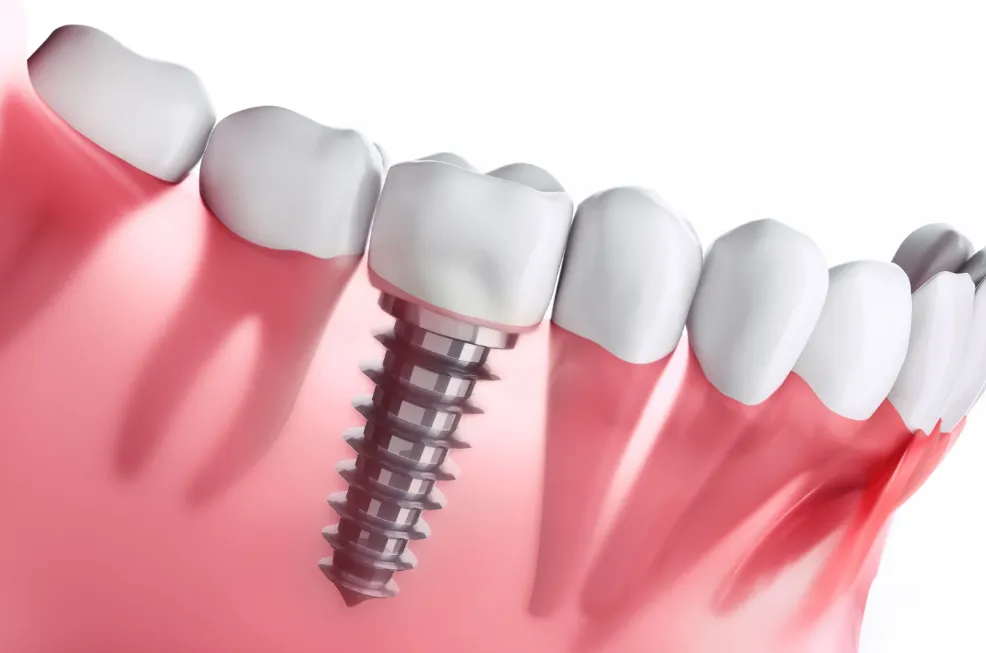
A dental implant has three parts. You can think of them as root, connector, and tooth.
- The implant post sits in your jaw and acts like a root.
- The connector links the post to the crown.
- The crown is the tooth you see when you smile.
Your gum heals around the implant post. Your bone grows against it in a process called osseointegration. The post does not move. It stays firm when you bite. The crown then takes on the work of chewing and speaking.
The National Institute of Dental and Craniofacial Research explains how tooth loss and bone loss often go together. Implants help interrupt that loss.
How Implants Compare With Bridges And Dentures
You may wonder why implants stand out. Bridges and dentures have helped many people for many years. Still, implants solve three common problems. They protect bone. They stay fixed. They avoid cutting down healthy teeth.
| Feature | Dental Implants | Fixed Bridge | Removable Denture |
|---|---|---|---|
| Replaces tooth root | Yes | No | No |
| Helps protect jaw bone | Yes | Limited | No |
| Removable by patient | No | No | Yes |
| Needs support from nearby teeth | No | Yes | Sometimes |
| Risk of slipping while eating | Low | Low | High |
| Helps keep nearby teeth from shifting | Yes | Yes | Limited |
| Typical life span with good care | Many years | Several years | Several years |
This simple view shows why many specialists see implants as the strongest choice. They do more than fill a gap. They help protect the structure of your mouth.
Why Bone Protection Matters To Your Health
When you lose a tooth, your body senses that loss. Your jawbone in that spot can start to shrink. Over time, your bite can change. Your face can look sunken. Your denture can stop fitting.
An implant gives your bone a reason to stay strong. Each time you chew, the implant sends force into the bone. That pressure keeps the bone active. It is the same idea as weight-bearing exercise for your legs and hips.
The Centers for Disease Control and Prevention links oral health to overall health. Protecting bone and gums supports your health and your daily comfort.
The Implant Process Step By Step
The process is careful and planned. You move through it in stages.
- First visit. Your dentist or periodontist checks your mouth, gums, and jawbone. X-rays or scans help measure bone.
- Planning. You agree on a plan that fits your health, goals, and budget.
- Placement. The implant post is placed in the bone under numbing.
- Healing. The bone grows around the post. This period can take a few months.
- Connector and crown. After healing, the connector and the new crown are placed.
During this time, you may use a temporary tooth. You still eat and speak. You still care for your mouth each day.
Who Is A Good Candidate For Implants
Most adults with missing teeth can be candidates. Three things matter most.
- Healthy gums and enough bone.
- Good daily brushing and flossing.
- No uncontrolled health conditions that affect healing.
If you smoke or have diabetes, your specialist may adjust the plan. You still may receive an implant with added support and closer follow up.
Costs, Insurance, and Long-Term Value
Implants often cost more at the start than bridges or dentures. That fact can feel heavy. Yet implants often last longer. They also help avoid future work on nearby teeth.
When you compare costs, ask three questions.
- How long will each option last?
- Will nearby teeth need work now or later?
- How will this choice affect your daily life?
Many people find that implants pay off over time. They eat a wider range of foods. They need fewer repairs. They feel less worry about slipping teeth.
Living With Implants Day To Day
Once you heal, implants feel steady. You brush and floss them like natural teeth. You still need regular cleanings and exams. You still need care for your gums.
Three simple habits protect your implants.
- Brush twice a day with a soft brush.
- Clean between teeth each day.
- See your dentist on a regular schedule.
These steps lower the risk of infection around the implant. They also protect your other teeth.
When To Talk With A Specialist
If you have a loose tooth, a gap, or a denture that hurts, you do not need to wait. You can ask your dentist if an implant makes sense for you. You can also ask for a referral to a periodontist who focuses on implants.
You deserve teeth that let you eat, speak, and smile without fear. Implants offer a strong path back to that steady comfort.
